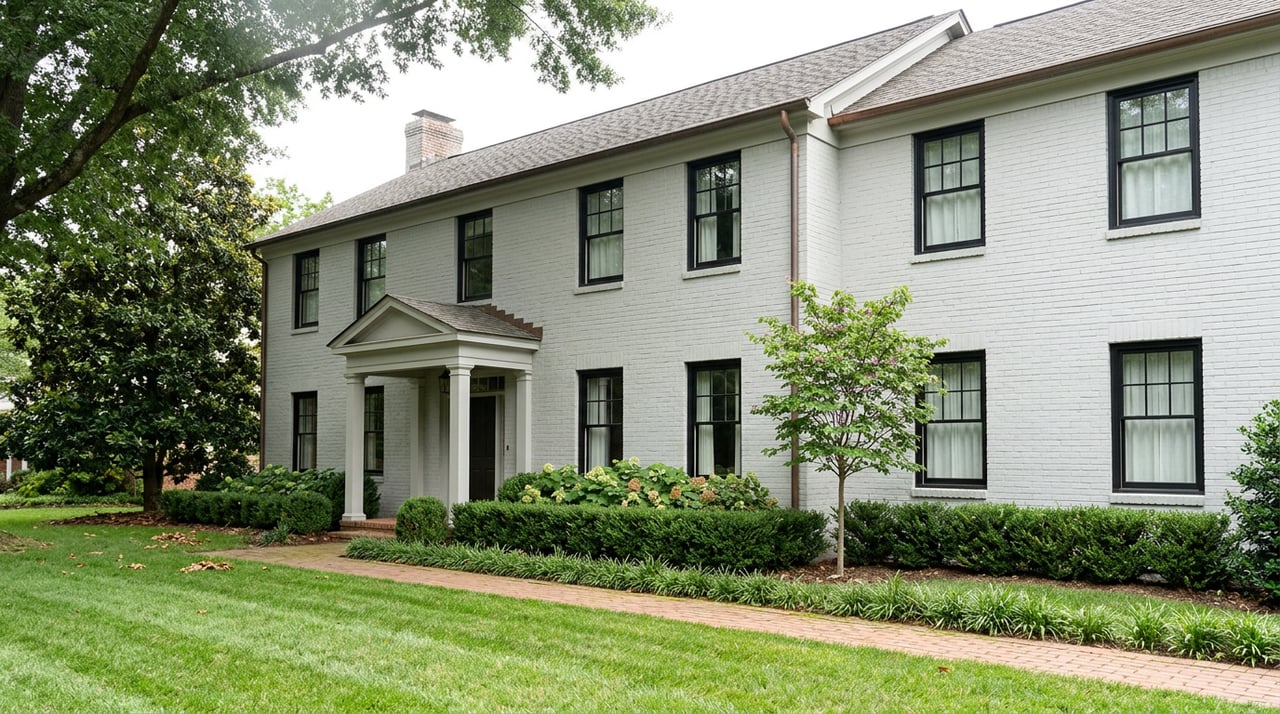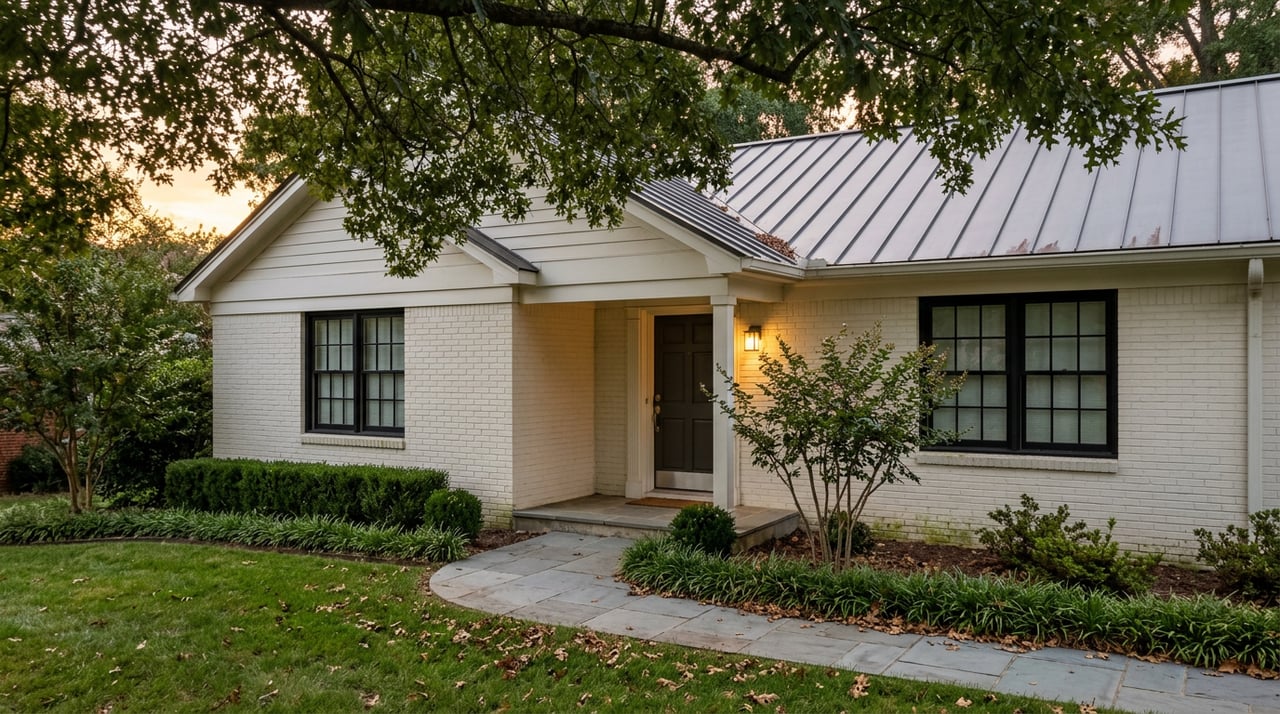
If you are thinking about selling in Virginia Highland, one mistake can cost you time, leverage, and real money. In a neighborhood known for historic homes, tree-lined streets, and an active intown lifestyle, buyers are not just judging square footage. They are comparing condition, presentation, pricing, and the overall experience your home offers. The good news is that many of the most expensive seller mistakes are avoidable with the right plan. Let’s dive in.
Why Virginia Highland Sellers Need a Strategy
Virginia Highland stands out for its historic homes, green spaces, and walkable commercial corridor along North Highland Avenue, with nearby dining, shops, and services, according to the Virginia-Highland Civic Association. That means your listing is often judged on two levels at once: the home itself and the lifestyle that comes with the address.
That dynamic makes preparation especially important. Buyers may be willing to pay a premium for architectural character and location, but they still compare your home against other options and expect strong presentation from the moment they see it online.
Current data also point to a market where precision matters. Virginia Highland market data from Realtor.com showed 36 active listings, a median 33 days on market, and homes selling at a median of 98% of asking price, while broader Atlanta Realtors market data reflected a more balanced environment with 16,879 active listings and a 3.8-month supply in metro Atlanta.
Mistake 1: Overpricing on Day One
Overpricing is one of the fastest ways to lose momentum. In a market where buyers can compare listings easily, an aspirational price can reduce early showing activity, lead to price cuts later, and weaken your negotiating position.
According to Realtor.com’s Atlanta market reporting, accurate pricing from day one is the clearest path to a clean sale. That matters in Virginia Highland, where neighborhood averages and online estimates only tell part of the story.
A smart list price should reflect recent comparable sales, current competition, your home’s condition, updates, lot, and presentation. Realtor.com’s local page and Zillow’s home value estimate both suggest a strong submarket, but they measure different things, which is why a property-specific valuation matters more than a broad neighborhood number.
What to Do Instead
- Review recent comparable sales in Virginia Highland and nearby competing intown areas
- Weigh your home’s condition, improvements, and lot features carefully
- Factor in current active competition, not just past sales
- Adjust for presentation quality, including staging and photography
- Price for market response, not for negotiation fantasy
Mistake 2: Under-Preparing the Property
Many sellers assume they need a major renovation before listing. Usually, that is not the best first move.
The National Association of Realtors seller preparation guide says sellers do not have to make cosmetic updates to sell successfully. Instead, the most practical improvements often include cleaning windows, carpets, lighting fixtures, and walls, decluttering, and improving curb appeal through landscaping, paint, and the front entry.
In Virginia Highland, where many homes are bought for their charm and visual appeal, this kind of preparation can have an outsized impact. Buyers notice whether a home feels cared for, bright, and move-in ready, especially when they are already paying close attention to character details.
Prep Priorities That Often Matter Most
- Deep cleaning throughout the home
- Decluttering surfaces, closets, and storage areas
- Touch-up paint where needed
- Freshening the front entrance and landscaping
- Making sure lighting works well in every room
- Addressing obvious wear before photos and showings
Mistake 3: Skipping Staging or Merchandising
Staging is not about making your home look generic. It is about helping buyers picture how the space lives.
NAR defines staging as cleaning and temporarily furnishing a home so buyers can better imagine themselves living there. In the 2025 Profile of Home Staging Snapshot, 83% of buyers’ agents said staging made it easier for buyers to visualize the property as a future home, and 20% said it increased the dollar value offered by 1% to 5% compared with similar unstaged homes.
That can be especially relevant in Virginia Highland, where room flow, architectural details, and lifestyle appeal often drive emotion. Thoughtful staging helps highlight original charm, define awkward spaces, and make the home feel polished without stripping away its personality.
Focus on the Most Important Rooms
NAR’s 2023 staging report ranked these spaces among the most important to stage:
- Living room
- Primary bedroom
- Kitchen
- Dining room
If you are deciding where to spend your time and budget, start there.
Mistake 4: Using Weak Listing Photos or Video
Your first showing usually happens online. If the photos are dark, incomplete, or unflattering, many buyers will move on before they ever book an appointment.
In NAR’s 2025 generational trends report, 83% of internet-using buyers said photos were very useful, 41% said virtual tours were very useful, and 29% said videos were very useful. NAR’s 2023 staging report also found that buyers’ agents viewed photos, videos, and virtual tours as important listing tools.
For a Virginia Highland home, visuals need to do more than document rooms. They should capture light, scale, architectural details, and the home’s overall feel. A strong media package can help buyers understand why your property stands apart from the competition.
Strong Visual Marketing Should Usually Include
- Professional photography
- A short video walkthrough
- A virtual tour when possible
- A floor plan when available
- Images that highlight curb appeal and key interior details
Mistake 5: Ignoring Small Repairs
Small issues can create big doubts. A loose handrail, a cracked tile, a dripping faucet, or peeling paint may seem minor to you, but buyers often read them as signs of deferred maintenance.
NAR advises sellers to get cost estimates for major items such as a roof, HVAC system, or appliances because buyers often factor those costs into negotiations. Its consumer guide to home inspections also notes common issues such as structural concerns, drainage problems, faulty wiring, HVAC issues, and safety items like smoke alarms or carbon monoxide detectors.
If known issues come up late, you may end up negotiating from a weaker position. Handling visible repairs in advance, or at least gathering estimates, gives you more control over pricing, disclosures, and buyer expectations.
Repairs Worth Addressing Before Listing
- Dripping faucets or plumbing leaks
- Damaged trim, drywall, or paint
- Loose hardware or handrails
- Burned-out bulbs or dim lighting
- HVAC, roof, or appliance issues with known problems
- Missing or outdated safety devices where applicable
Mistake 6: Spending Too Much on the Wrong Updates
Not every improvement pays off before a sale. If you spend heavily on major renovations without a clear strategy, you can overinvest and still miss what buyers actually care about.
The NAR seller prep guide points sellers toward targeted repairs and presentation, not automatic full-scale remodeling. In a neighborhood like Virginia Highland, where preservation and character matter, exterior changes or highly visible updates should also be planned carefully so they support the home’s existing style rather than work against it.
In many cases, the better path is to focus on cleanliness, curb appeal, selective repairs, and presentation. That approach can improve buyer response without adding unnecessary cost or delay.
Mistake 7: Listing Without Enough Inspection Insight
Waiting for the buyer’s inspection to reveal problems can create stress and surprise at the worst point in the transaction. A pre-sale inspection is not required, but it can help you uncover issues before your home hits the market.
According to the NAR seller preparation guide, a pre-listing inspection can surface concerns early and give you more control over repairs, disclosures, and pricing. That can be especially useful if your home has older systems, deferred maintenance, or known concerns you want to evaluate before negotiating with a buyer.
If you plan to sell as-is, that decision should still be informed by facts. NAR notes in its inspection guide that selling as-is means you are not making guarantees and do not plan to make repairs even if the buyer inspects, which can affect buyer risk perception and price expectations.
How Much Prep Is Enough?
A lot of sellers ask this, and the most evidence-based answer is simple: start with the basics, then build from there.
Begin with cleaning, decluttering, curb appeal, and targeted repairs. From there, decide whether staging, a pre-listing inspection, or a more robust media package will add value based on your home’s condition, price point, and likely buyer expectations.
You do not need to do everything. You do need to do the right things in the right order.
A Smarter Selling Approach in Virginia Highland
Selling in Virginia Highland is rarely just about putting a sign in the yard. In a neighborhood where buyers care about architecture, presentation, and intown lifestyle, the best results usually come from disciplined pricing, polished preparation, and strong marketing from day one.
If you want a clear plan for what to fix, what to stage, and how to price your home based on today’s competition, Ken Covers offers a presentation-first, neighborhood-focused approach designed to help you protect your time and maximize your outcome.
FAQs
What is the biggest pricing mistake Virginia Highland home sellers make?
- The biggest pricing mistake is listing too high on day one, which can reduce early interest, lead to price cuts, and weaken your leverage in negotiations.
How much preparation should a Virginia Highland home seller do before listing?
- Start with deep cleaning, decluttering, curb appeal, and targeted repairs, then decide whether staging or a pre-listing inspection makes sense for your home’s condition and price point.
Is staging worth it for a Virginia Highland home sale?
- Often, yes. NAR reports that staging helps buyers visualize the home and may improve perceived value, especially when paired with strong photos and video.
What repairs should Virginia Highland sellers handle before listing?
- Focus first on visible maintenance issues and get estimates for larger concerns such as roof, HVAC, or appliance problems so you can price and negotiate realistically.
Should a Virginia Highland seller renovate before putting a home on the market?
- Not always. Evidence supports prioritizing presentation and targeted repairs over automatic major renovations, especially when buyers are comparing multiple options carefully.
Why do listing photos and video matter so much for Virginia Highland sellers?
- Most buyers begin online, and NAR data show photos, virtual tours, and videos are among the most useful tools for evaluating a home before scheduling a showing.