If you are choosing between a historic home and newer construction in Intown Atlanta, Sherwood Forest and Ansley Park make that decision feel very real. Both neighborhoods offer beautiful homes and strong demand, but they deliver very different living experiences. If you understand how each area handles architecture, lot size, walkability, and future changes, you can make a smarter move with more confidence. Let’s dive in.
Historic Character in Ansley Park
Ansley Park was first developed in 1904 as a motorcar-oriented suburb with wide, winding streets and green park spaces. It is also a National Register historic district, with a long period of significance from 1900 to 1974. That history still shapes how the neighborhood looks and how homes are preserved today.
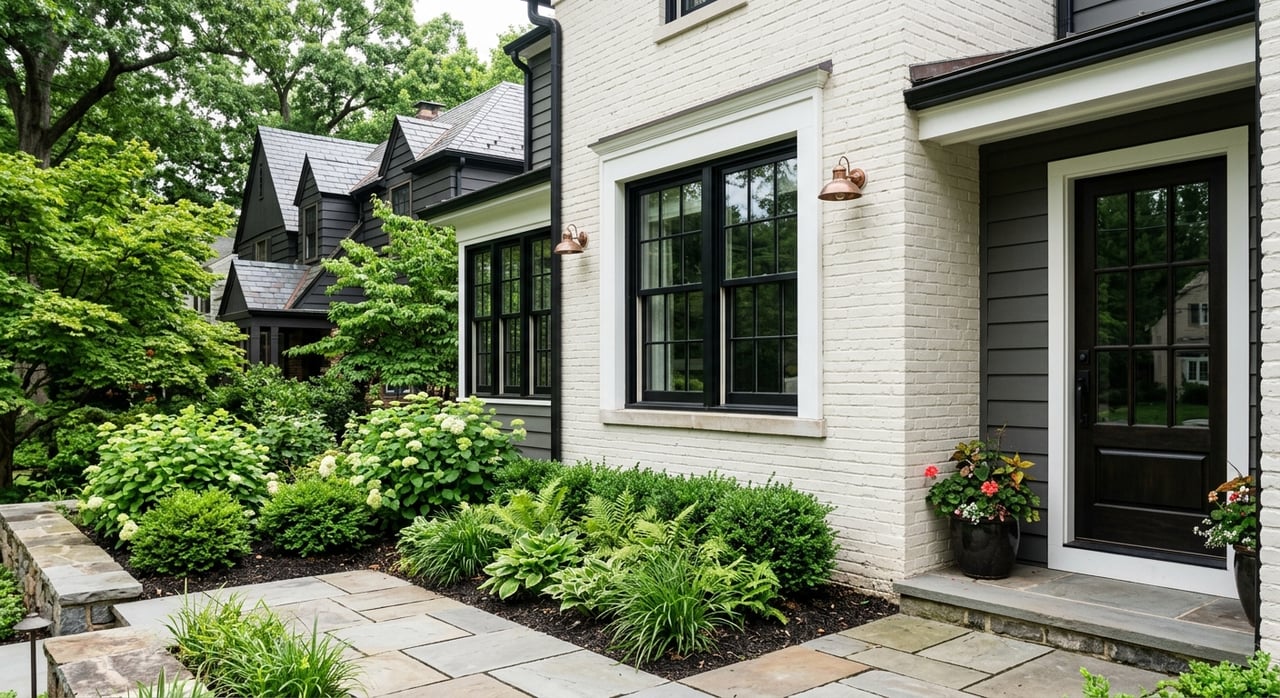
Many of the older homes in Ansley Park were designed as large two-story houses with formal street-facing architecture. Common features included clapboard or shingle siding, hipped roofs, and deep overhanging eaves. Rear alleys often kept garages out of public view, which helped preserve a polished front presentation along the street.
For you as a buyer, that often means more traditional layouts and a stronger sense of architectural continuity. It can also mean that exterior changes are more regulated than in a typical neighborhood. In some cases, work on designated historic or landmark properties may require a Certificate of Appropriateness through the City of Atlanta.
What historic ownership can mean
Owning a historic home can be rewarding, but it often comes with more planning. Maintenance usually centers on protecting character-defining materials rather than replacing them outright. For example, historic windows may sometimes be repaired or upgraded instead of removed.
That does not make historic ownership harder in every case, but it does mean you should expect a more thoughtful process. If preserving original details matters to you, Ansley Park can be a strong fit. If you want maximum freedom to reshape a home’s exterior, you may find the process more limited here.
Sherwood Forest and Postwar Appeal
Sherwood Forest tells a different story. The neighborhood developed after World War II and is known for its canopy of mature trees, winding streets, and roughly 200-home setting. Its identity is tied more closely to postwar suburban design and a quieter, more car-oriented feel.
Housing in Sherwood Forest is often associated with ranch and midcentury forms set into the natural landscape. Research on Atlanta’s postwar housing points to larger lawns, groups of trees, and homes placed to work with the lot rather than dominate it. That creates a setting that often feels spacious and private.
For many buyers, the appeal is practical as much as visual. Sherwood Forest tends to offer larger lots, ranch-era layouts, and more visible renovation potential. Recent market examples also suggest that buyers may find homes that are already renovated, as well as properties that support teardown and rebuild decisions.
Why buyers look here for flexibility
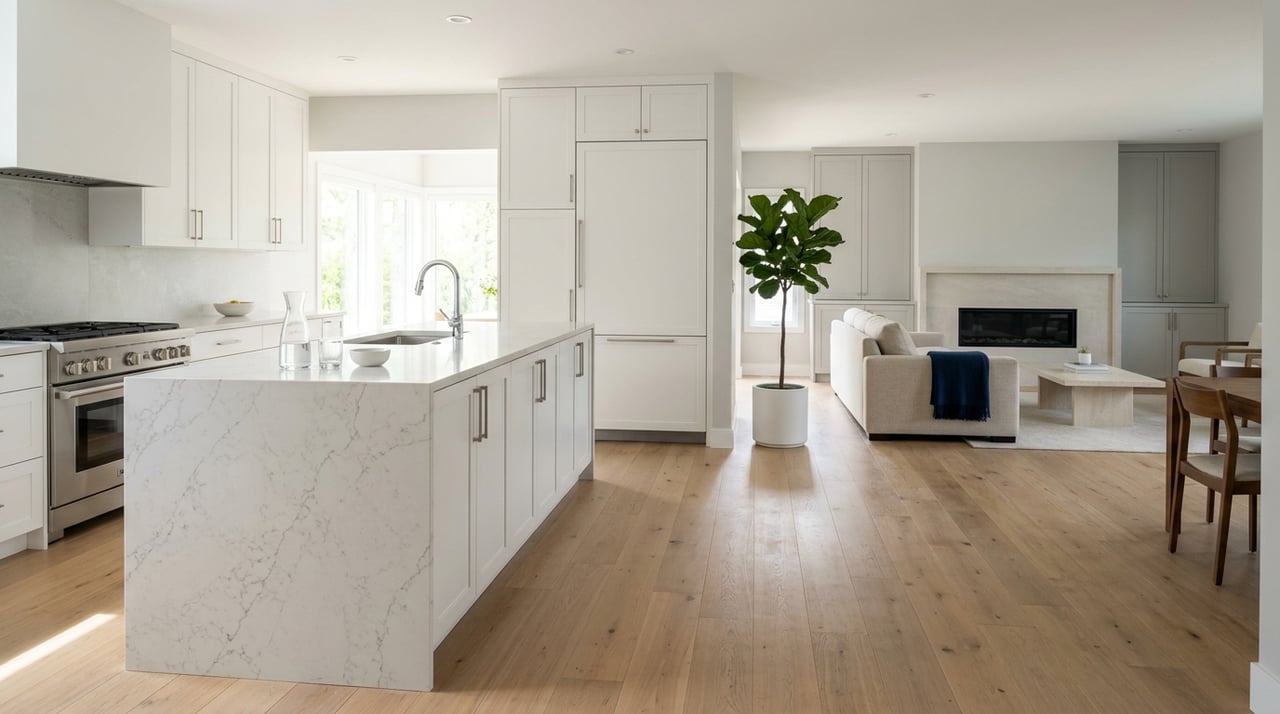
Sherwood Forest stands out for buyers who want room to personalize. Some recent listings have highlighted open floor plans, updated kitchens and baths, newer roofs, and large flat lots. At least one example noted that plans for a new home were already available to the buyer.
That pattern matters because it shows how the neighborhood functions in today’s market. In Sherwood Forest, the decision is often not just whether to buy a home, but whether to renovate, expand, or rebuild over time. If flexibility is high on your list, this neighborhood may check more boxes.
New Construction Is Scarce
If you are hoping to compare lots of newly built options, the reality is tighter than many buyers expect. True new construction is limited in both neighborhoods. What is available tends to sit at the luxury end of the market.
Current data shows only a small number of new construction options in Ansley Park, with asking prices around $2.995 million and $4.745 million. In Sherwood Forest, direct new listings are even harder to find, with neighborhood searches surfacing nearby luxury builds instead, including examples around $1.85 million and $4.995 million.
The takeaway is simple. In both Sherwood Forest and Ansley Park, new construction is not the budget-friendly shortcut. It is a scarce, premium product.
Price Expectations by Neighborhood
Both neighborhoods are premium markets, though pricing can look different depending on the data source and property mix. Zillow’s June 2026 typical home values were about $900,000 in Ansley Park and about $1.8 million in Sherwood Forest. Redfin’s recent median sale prices were higher, at about $2.0 million in Ansley Park and $2.8 million in Sherwood Forest.
That gap likely reflects the fact that Ansley Park includes a broader mix of housing types, including condos, townhomes, and multifamily units. Sherwood Forest is more concentrated in detached single-family homes. So when you compare pricing, it helps to look beyond the headline number and focus on the type of property you actually want.
Walkability Versus Lot Size
One of the clearest differences between these neighborhoods is how daily life tends to feel. Ansley Park offers more urban convenience, while Sherwood Forest leans toward privacy and a more car-dependent setting. Neither is better across the board. It depends on how you want to live.
Redfin rates Ansley Park as moderately walkable, with a Walk Score of 68. Sherwood Forest is rated as minimally walkable, with a Walk Score of 36. That supports what many buyers notice on the ground: Ansley Park tends to work better for those who value easier access to nearby amenities, while Sherwood Forest appeals more to those who prioritize larger lots and a more tucked-away feel.
A quick side-by-side view
| Feature | Ansley Park | Sherwood Forest |
|---|---|---|
| Core identity | Historic district with preserved architecture | Postwar neighborhood with ranch and midcentury influence |
| Development era | Began in 1904 | Developed after World War II |
| Housing feel | Older homes, formal street presence | Larger lots, landscape-driven siting |
| Exterior changes | More regulated on certain historic properties | Often more flexibility through renovation or rebuild paths |
| Walkability | Moderate, Walk Score 68 | Minimal, Walk Score 36 |
| New construction | Very limited and luxury-priced | Very limited and luxury-priced |
Which Home Style Fits You Best?
If you are drawn to preserved architecture, classic details, and a neighborhood where history is visible in the streetscape, Ansley Park may feel like the right match. It is especially compelling if you value older homes and want a setting with more walkable convenience. You should, however, be comfortable with the idea that exterior work may involve more review and a more careful preservation mindset.
If you prefer larger lots, ranch or midcentury layouts, and the option to renovate or rebuild over time, Sherwood Forest may offer the better fit. Its housing stock and lot character support a more flexible approach. It can be a strong choice if space and long-term adaptability matter more to you than formal historic structure.
What This Means if You’re Buying or Selling
If you are buying, the choice usually comes down to which version of Intown living matters most to you. Ansley Park tends to be the stronger story for historic character and walkability. Sherwood Forest tends to be the stronger story for lot size, postwar layouts, and renovation or rebuild potential.
If you are selling, understanding that difference is just as important. Buyers do not respond to these neighborhoods in the same way, and presentation matters. A historic Ansley Park home may need marketing that highlights architectural details and preservation appeal, while a Sherwood Forest property may benefit from showing lot potential, layout flexibility, and renovation upside.
That is where neighborhood-specific strategy can make a real difference. The right pricing, staging, photography, and positioning help buyers see not just the house, but the lifestyle and future it offers.
When you are ready to talk through Sherwood Forest or Ansley Park in more detail, Ken Covers can help you evaluate the market, position your home, or find the right fit with a neighborhood-first approach.
FAQs
What is the main difference between Ansley Park and Sherwood Forest homes?
- Ansley Park is better known for historic architecture and walkability, while Sherwood Forest is better known for larger lots, postwar layouts, and renovation or rebuild flexibility.
Are there many new construction homes in Ansley Park and Sherwood Forest?
- No. New construction is limited in both neighborhoods, and the available options tend to be luxury-priced.
Do historic homes in Ansley Park have renovation rules?
- In some cases, yes. Exterior work on designated historic or landmark properties may require a Certificate of Appropriateness through the City of Atlanta.
Is Sherwood Forest a good place to look for renovation potential?
- Yes. Recent market activity suggests Sherwood Forest supports both move-in-ready renovated homes and properties with rebuild or redevelopment potential.
Is Ansley Park more walkable than Sherwood Forest?
- Yes. Current walkability data rates Ansley Park at a Walk Score of 68 and Sherwood Forest at 36.
Are home prices higher in Sherwood Forest or Ansley Park?
- Both are premium neighborhoods, but current data sources show Sherwood Forest with higher typical values and median sale prices than Ansley Park.