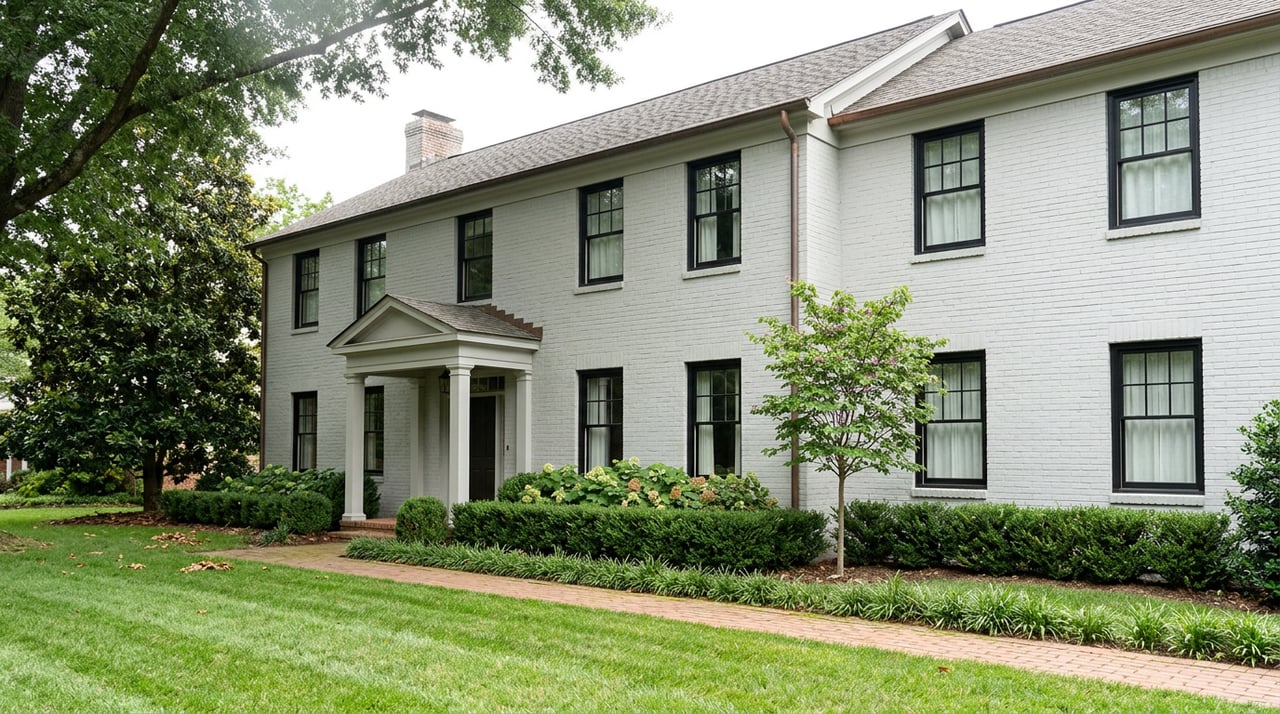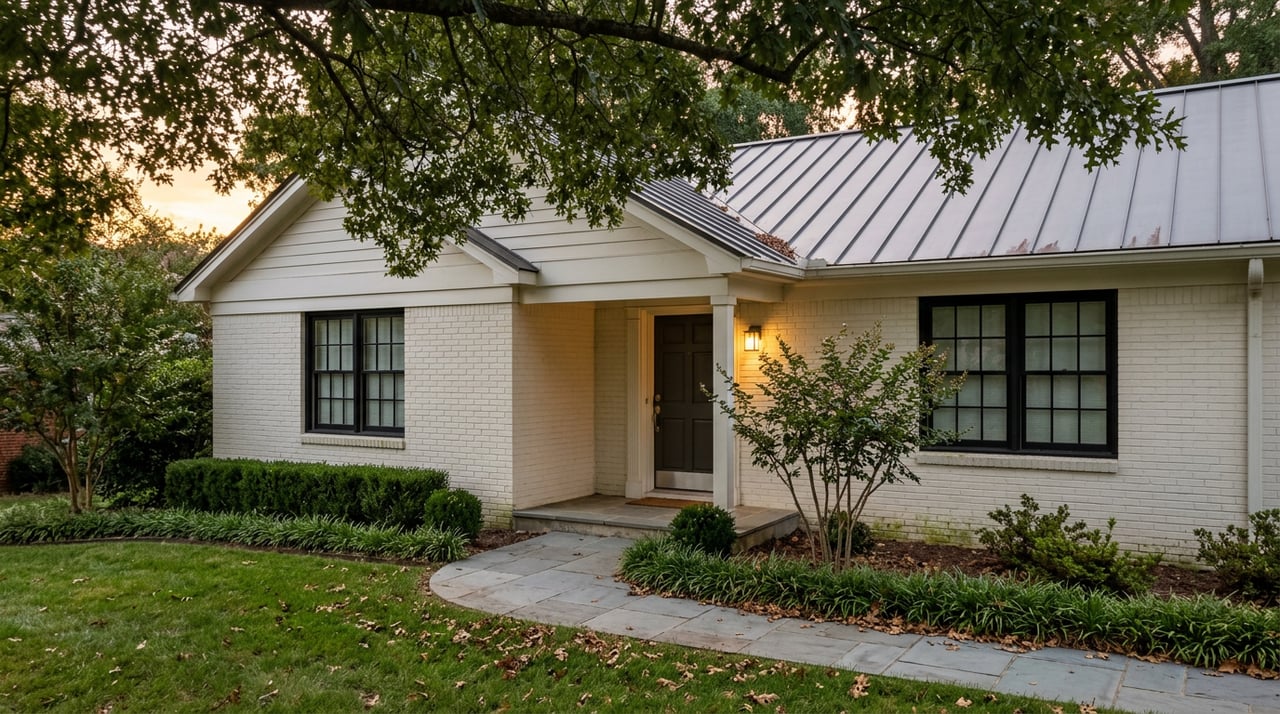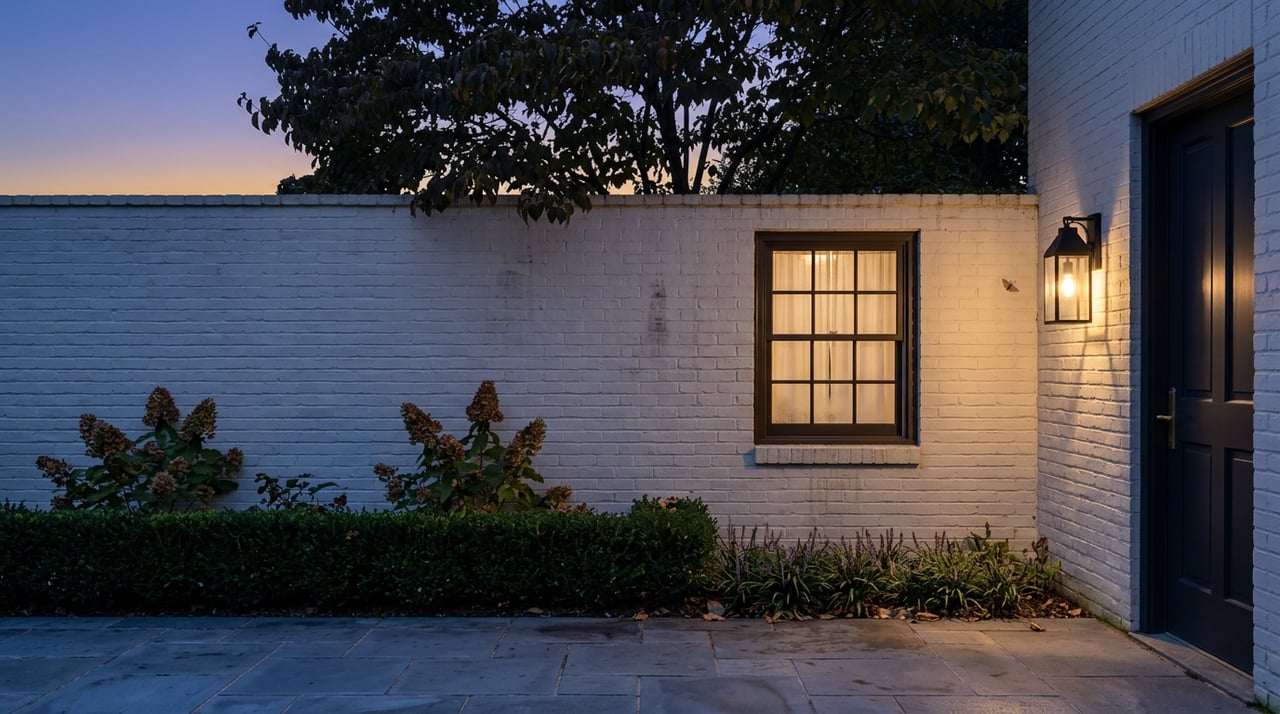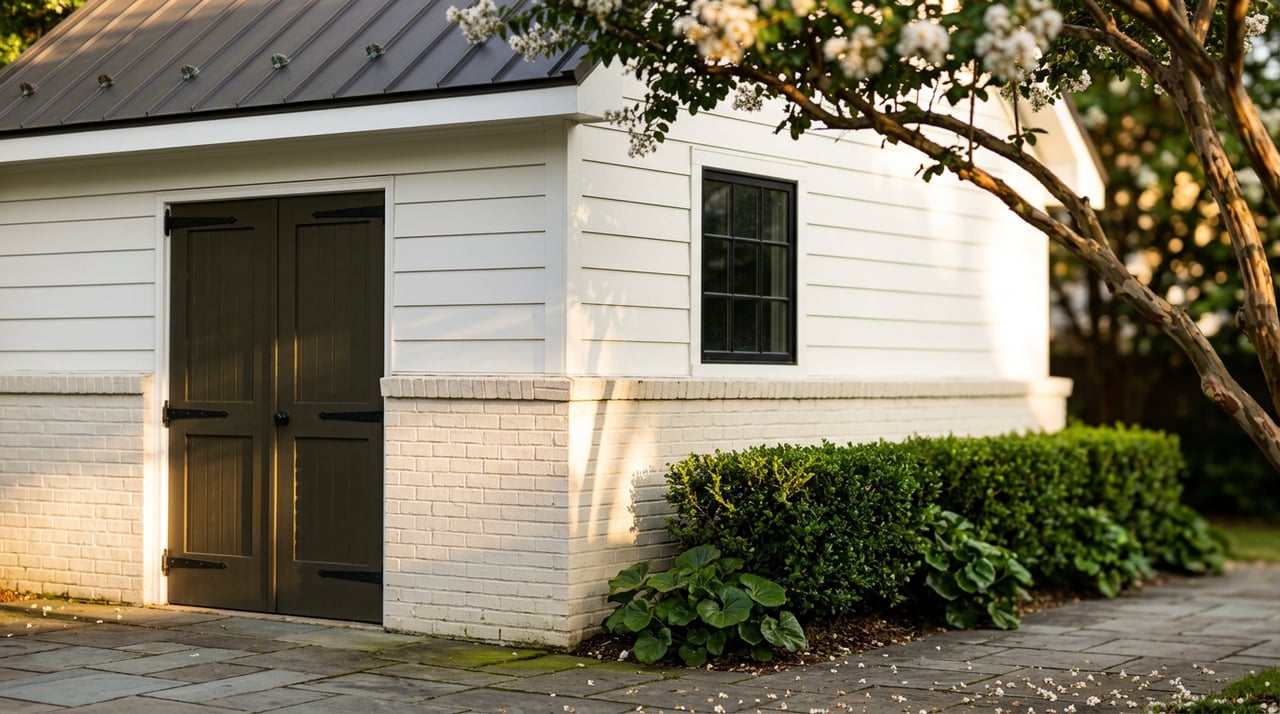
"The cost has gone up dramatically, so in hindsight, we wish that we would have taken the time and done it then."
That's a Virginia-Highland homeowner named Leah Matthews, talking to CBS Atlanta back in March about a carriage house she and her family almost built. She and her husband are zoned RG-2, which meant they could have added a legal second unit behind their main house and rented it out, full time or on Airbnb, if they'd moved when the idea first came up. They didn't. Construction costs climbed. The window narrowed.
Her story is a small thing next to the headline numbers everyone quotes about this neighborhood. But it points at something the headline numbers can't show you: what actually separates one Virginia-Highland property from another isn't just square footage or renovation quality. It's whether the lot behind the house can legally carry a second income-producing structure, and whether the zoning already allows it or the buyer is betting on a change that hasn't happened yet.
A Median Built on a Handful of Houses
Pull up Virginia-Highland's numbers on three different sites right now and you'll get three different neighborhoods. Zillow's home value index puts the average at $972,139, up 6.5 percent over the past year, as of its June 2026 update. One market tracker reported a 30-day median sale price of $1,175,000, a jump of 46.9 percent year over year, built on exactly six closed sales, down from 14 the year before. Meanwhile, one listing portal's own Virginia-Highland page has shown an average sale price around $1.3 million in one pull, while an earlier snapshot from September 2025 on the same page put the median at just $490,000. A separate site quoted a median list price of $585,000 in May 2026.
None of these numbers is wrong, exactly. They're measuring different things: list price versus sold price, average versus median, single-family homes versus a blend that includes condos and townhomes, six transactions versus dozens. But when a tracker's median swings 47 percent in a year based on six sales, that median is telling you about six specific houses that happened to close, not about the neighborhood as a whole. Local market reports that focus on single-family homes have placed the figure anywhere from around $923,000 to roughly $1.1 million for early 2026, which is itself a wide enough range to make you suspicious of anyone quoting a single number with confidence.
Add price-cut activity to the picture and it gets stranger. In that same 30-day window where the median sale price was reportedly up 46.9 percent, 16.67 percent of active listings had a price drop, up 9.5 percentage points from the year before. Rising medians and rising price cuts in the same window sound contradictory until you remember they're describing two different pools: the handful of homes that sold, and the larger pool still sitting on the market. A buyer who only sees the median headline could easily assume the whole neighborhood is heating up when what's actually happening is that a small number of high-end closings pulled the number up while a larger group of sellers quietly cut their asking prices.
What the Median Can't See: the Alley
Here's the part that doesn't show up in any of those numbers. Virginia-Highland is one of the few Atlanta neighborhoods built with a genuine network of rear alleys, a leftover of its early-1900s streetcar-suburb layout. That alley grid is what makes carriage houses and detached accessory units physically possible on a meaningful share of its lots. Morningside, Sherwood, and Ansley Park don't have the same infrastructure at the same scale. A buyer comparing those neighborhoods purely on median price per square foot is missing a structural difference that has nothing to do with the main house at all.
Not every lot in Virginia-Highland carries the zoning to act on that alley access, though. Leah Matthews mentioned her property is zoned RG-2, which is what would have let her rent a carriage house long-term or short-term. That designation isn't universal across the neighborhood. Two houses that look identical on a listing sheet, same square footage, same renovation level, same block, can carry very different real-world value if one has RG-2 or an equivalent designation and the other doesn't. That difference is invisible in a median sale price. It only shows up when you ask the specific zoning question about a specific lot.
A Bill That Could Move the Line
Back in March, a bill moving through the Georgia Legislature aimed to make that zoning line easier to cross statewide. According to CBS Atlanta's reporting, the proposal would reduce zoning barriers and let more homeowners add a small second unit on their property, not just those already sitting on RG-2 or similar lots. State Rep. Tangie Herring, the bill's sponsor, framed the goal around practical family needs: caring for an aging parent, housing a child who moved back home, or creating an affordable rental option for a teacher or service worker who wants to live closer to work.
Kristin Allin, a principal planner with the Atlanta Regional Commission, pointed to Canton, Georgia as an example of where this is already heading. That city has started offering pre-approved ADU plans, cutting the red tape and expense of building a second unit. She also drew a contrast with California, where backyard-unit growth has raised density and parking concerns under long-standing restrictions Georgia doesn't currently share.
As of that March report, the bill was still working its way through the state Capitol, and no later reporting in our research confirmed whether it passed. Whether it clears the legislature, and in what form, matters directly to anyone weighing a Virginia-Highland purchase against its alley potential. A buyer betting on future ADU rights on a lot that doesn't currently have them is betting on a policy outcome, not a settled fact. That's a different risk profile than buying a property that already carries RG-2 zoning today, and it's worth confirming which situation you're actually in before the alley access factors into your offer.
Street by Street, Not Just Neighborhood by Neighborhood
Even setting zoning aside, Virginia-Highland doesn't price as one flat market internally. The stretch along Highland Avenue itself, closest to the neighborhood's shops and restaurants, consistently commands the highest per-square-foot prices. Streets near that corridor, including portions of St. Charles Avenue and Greenwood Avenue, tend to follow the same pattern. Virginia Avenue carries its own separate premium tied to the neighborhood's original historic core.
That means a buyer comparing "Virginia-Highland" to "Morningside" as two single data points is already oversimplifying twice: once by treating either neighborhood's median as a stable number, and again by treating either neighborhood as internally uniform. The honest comparison happens at the street level and the lot level, with the zoning question folded in, not at the headline level.
A Few Direct Questions
Why do different sites show such different numbers for the same neighborhood? Mostly sample size and definition. When only six homes sell in a given month, the median is essentially describing those six houses. Add in the fact that some sites blend condos, townhomes, and single-family houses together while others don't, and the same neighborhood can produce medians that differ by hundreds of thousands of dollars depending on which page you happen to load.
Does the alley network actually matter if I'm not planning to build anything? It matters for resale and for how appraisers and future buyers will treat the property, since a legal secondary unit or the documented potential for one is a feature most other intown Atlanta neighborhoods simply can't offer at the same scale. Even if you never build a carriage house, buying on a lot that could support one keeps an option open that a lot in a neighborhood without alley access never had in the first place.
Should I wait to buy until the ADU bill's outcome is clear? That depends on your own timeline more than the bill's. The zoning rules that exist today, including which lots already carry RG-2 or similar designations, are knowable right now. A future statewide change would expand the pool of eligible properties, but it wouldn't retroactively make today's purchase cheaper. Confirming the current zoning on a specific property before you write an offer is the part that's within your control.
If you're weighing a purchase in Virginia-Highland against Morningside, Sherwood, or Ansley Park, the number worth asking about isn't the median you saw on a portal last week. It's the zoning designation on the specific lot, the width of the alley behind it, and what that combination is actually worth once you stop treating every intown neighborhood as interchangeable. Ken Covers has spent more than two decades reading these blocks at that level of detail. Get your instant home valuation and consultation to find out what your target property actually carries, beyond whatever number the aggregators happened to publish this month.