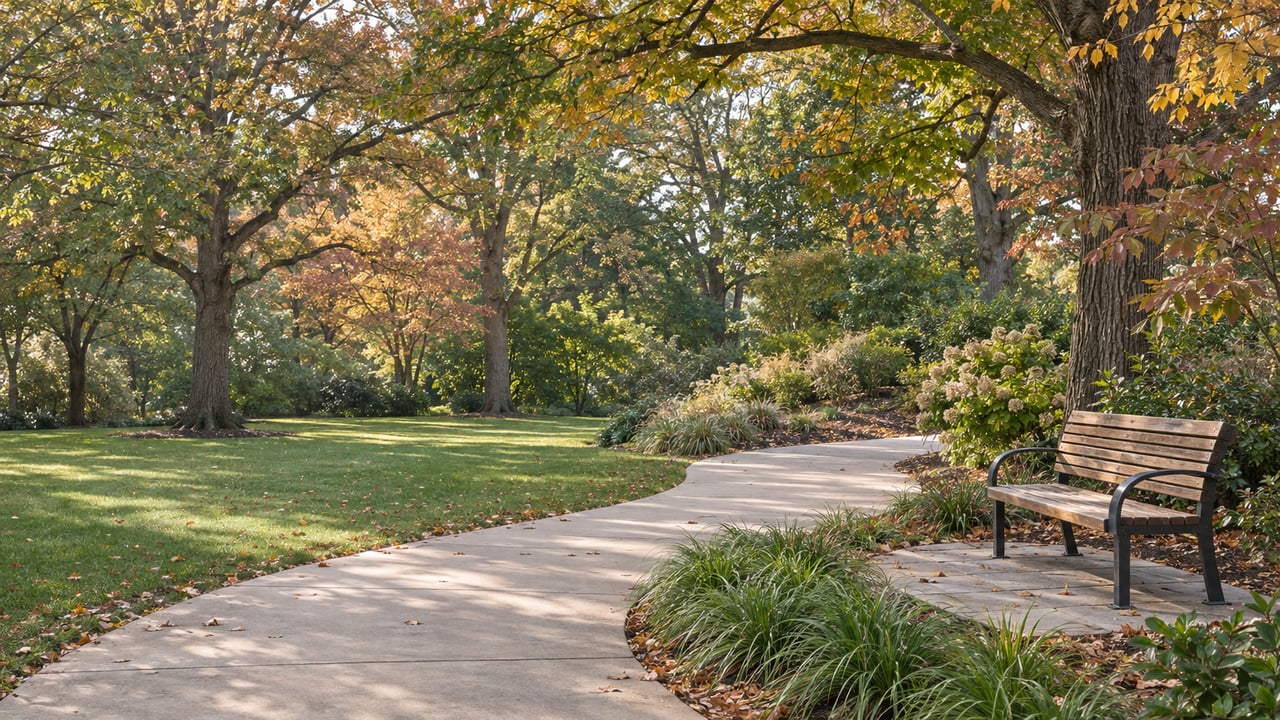
Most Morningside origin stories about green space begin at the Morningside Nature Preserve. Neighbors raised $150,000 from about 600 households, and the city added $1,336,125 in park impact funds, to save 33.1 acres of creek-side woods from development. Elsewhere in Morningside, Herbert Taylor Park and Daniel Johnson Park together cover 39 acres along the South Fork of Peachtree Creek and Rock Creek. That makes them larger than the preserve. They came to the city through a family transfer and a series of deeds, and according to the volunteers who now look after them, they got almost no upkeep for 10 to 15 years.
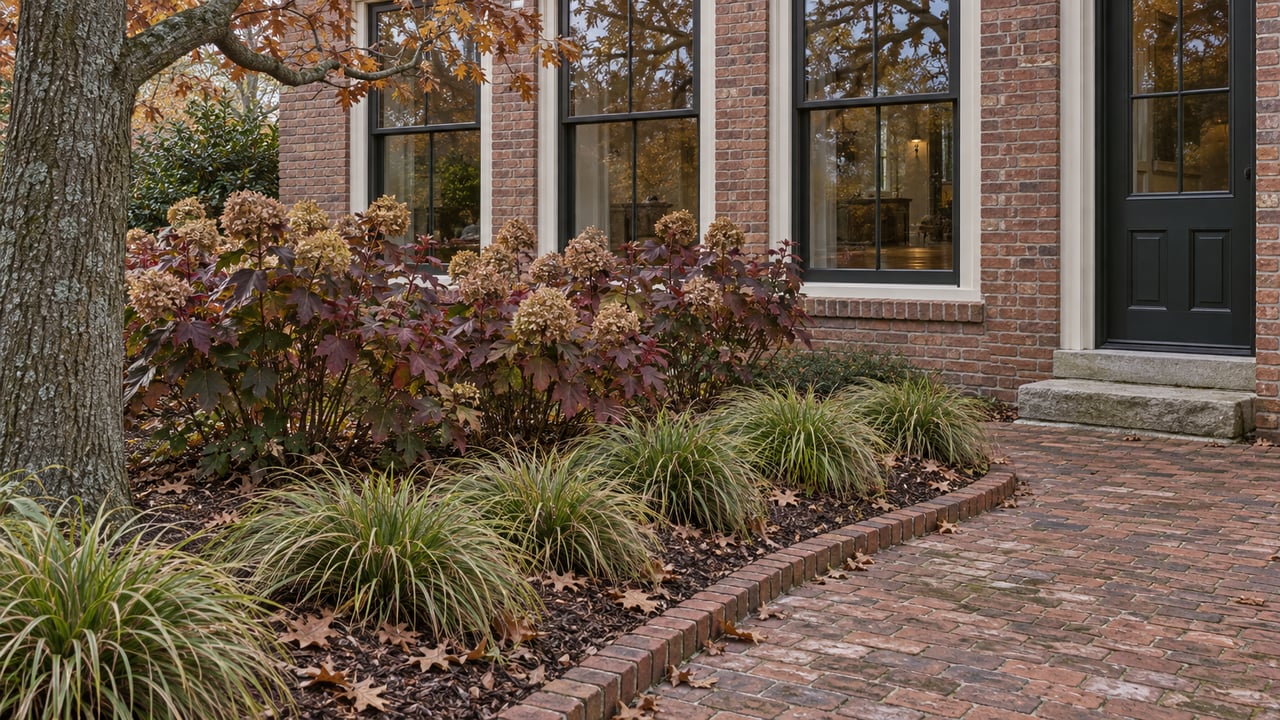
The rescue here is still going on, and it does not stop at the park's edge. The Friends group says one of its biggest problems is plants from neighborhood gardens spreading into the woods. What happens in these 39 acres depends partly on the gardens around them.
Two Parcels, Deeded Decades Apart
These are two city parks that read as one stretch of woods. Daniel Johnson Park is the smaller and older of the two. The Johnson family transferred it to Atlanta Parks in the 1930s, and it runs along Beech Valley Road. Herbert Taylor Park, the larger parcel, came to the city in deeds starting in 1972. The Morningside Lenox Park Association notes that later deeds stretched it across the South Fork and much of Rock Creek, the most recent reaching the bridge on Rock Springs Road.
Because the land arrived over about four decades, the parks never had one founding moment or one master plan. They grew a deed at a time, and for long periods nobody was assigned to look after the woods in between.
What Eight Years of Volunteer Work Has Built
The Friends of Herbert Taylor Park & Daniel Johnson Park formed in 2018. In a February 2026 profile by the South Fork Conservancy, co-chair Marti Breen described the group's purpose this way:
"The organization was founded to restore the environment of the parks for all the native, migrating, and visiting flora and fauna. Our main work is removing invasive species, maintaining trails and planting native plants."
In that same profile, the group counts more than 350 volunteers and more than 950 hours of trail building, trail upkeep, invasive removal and native planting. Compared with a park left mostly alone for 10 to 15 years, that is a lot of hands-on work in a short time. Most of the results are things a walker can see:
- City infrastructure bond work. The Friends worked with the subcontractor on trail improvements, better and new access points, a new bridge over Rock Creek, and new decking on the existing bridge.
- Park Pride grants. The group raised matching funds, and the grants paid for trailside benches, new and more accurate signs, and dog-waste stations.
- Native plantings. These were paid for with a City of Atlanta Planning Department Community Improvement Grant awarded by NPU-F.
- "What's Underfoot." Local photographer Diane Kirkland's exhibit brought new visitors to the park to look at the mosses, fungi, molds and lichen growing on the forest floor.
The new Rock Creek bridge and the new signs are the easiest changes to spot. The invasive removal is harder to see, and it has to keep happening.
Why the Work Has to Keep Happening
Clearing invasives once does not solve the problem, because more keep arriving. The Friends name two causes.
The first comes from neighborhood yards. The group says neighbors keep hiring landscapers who bring in plants from outside the Piedmont. Some of those plants escape the garden and spread into the park by wind, water and wildlife. A garden a few streets from the creek can still seed the park, because birds, runoff and wind cross property lines. The Friends add that after a decade or more without upkeep, the invasives already in the park can be "at times daunting," and that there are few experts in how to control and remove them.
The second is the creek itself. Ongoing erosion, especially along the South Fork of Peachtree Creek, has forced the group to re-route trails, and it threatens the tree canopy. The Friends have talked with stream restoration experts, but they say the scope and cost of the fix are beyond their budget.
Both problems explain why parts of the parks look different from one season to the next. A trail you walked a few years ago may now follow a new line away from the bank. A cleared hillside may need clearing again. In this park, upkeep never really finishes.
How It Fits Among the Nearby Creek Trails
Herbert Taylor and Daniel Johnson are part of a group of creek trails within a short drive or a long walk of Morningside. The South Fork Conservancy describes a five-mile trail network along the North and South Forks. Its map separates trails that exist today from "possible connections," so these work best as separate outings, not one continuous route.
| Park or trail | Size and trails | Where to start | Recent work |
|---|---|---|---|
| Herbert Taylor & Daniel Johnson parks | 39 acres along South Fork and Rock Creek | Kiosk at 1343 Pasadena Ave NE; Beech Valley Road | Bond-funded trail work, new Rock Creek bridge, new decking on the existing bridge |
| Morningside Nature Preserve | 33.1 acres, about 2 miles of trail on both sides of the creek | Wellbourne Road; Georgia Power substation on Lenox Road | Suspension bridge completed October 2010 |
| Confluence Trail | 1.5 miles from Armand Park to the confluence | Cul-de-sac at 2177 Armand Road NE | Runs beneath I-85, GA 400 and the Buford Highway Connector |
| Zonolite Park | 1.5 miles of gravel trail | Zonolite Place, near Johnson Road and Briarcliff Road | $50,000 in new signs, benches, boulder seating, mulch and a natural play area |
Zonolite shows the same model at work across the county line. The Conservancy reported in May that a $25,000 Park Pride grant, plus matching contributions, paid for $50,000 in improvements there. DeKalb County graded the parking lot and supplied the boulders and mulch. Across the whole creek system, a small grant usually starts the work, and volunteers and partners make up the rest.
Two Saturdays Left on the 2026 Calendar
The Friends hold their regular workday on the second Saturday of each month. Two remain this year.
- Saturday, November 14, 2026. Meet at the kiosk at 1343 Pasadena Ave NE for introductions and a safety talk.
- Saturday, December 12, 2026. Same kiosk, same format.
Both are morning workdays. The start time and end time are on the Conservancy's event listing, which includes a calendar file. You don't need experience. Breen told the Conservancy that gardeners can bring their own gloves and hand tools, and the group lends tools too, including weed wrenches for pulling woody invasives by the root. The listing promises a chance to meet people and learn about the plants and wildlife in the park.
The December workday comes during the bare-branch season. The Conservancy also has other events in the area through December, including Bird Strolls at Mason Mill Playground, 1340 McConnell Drive, on November 19 and December 10. For anyone who walks the Pasadena Avenue entrance regularly, the second-Saturday workday is the easiest way to see the park's restoration up close.
The care that keeps the bridges and benches in good shape at Herbert Taylor Park is the same attention to detail we bring to preparing and presenting Morningside homes. If you're thinking about what your home is worth in this setting, Ken Covers offers an instant home valuation and a consultation built on more than two decades of work in Morningside.