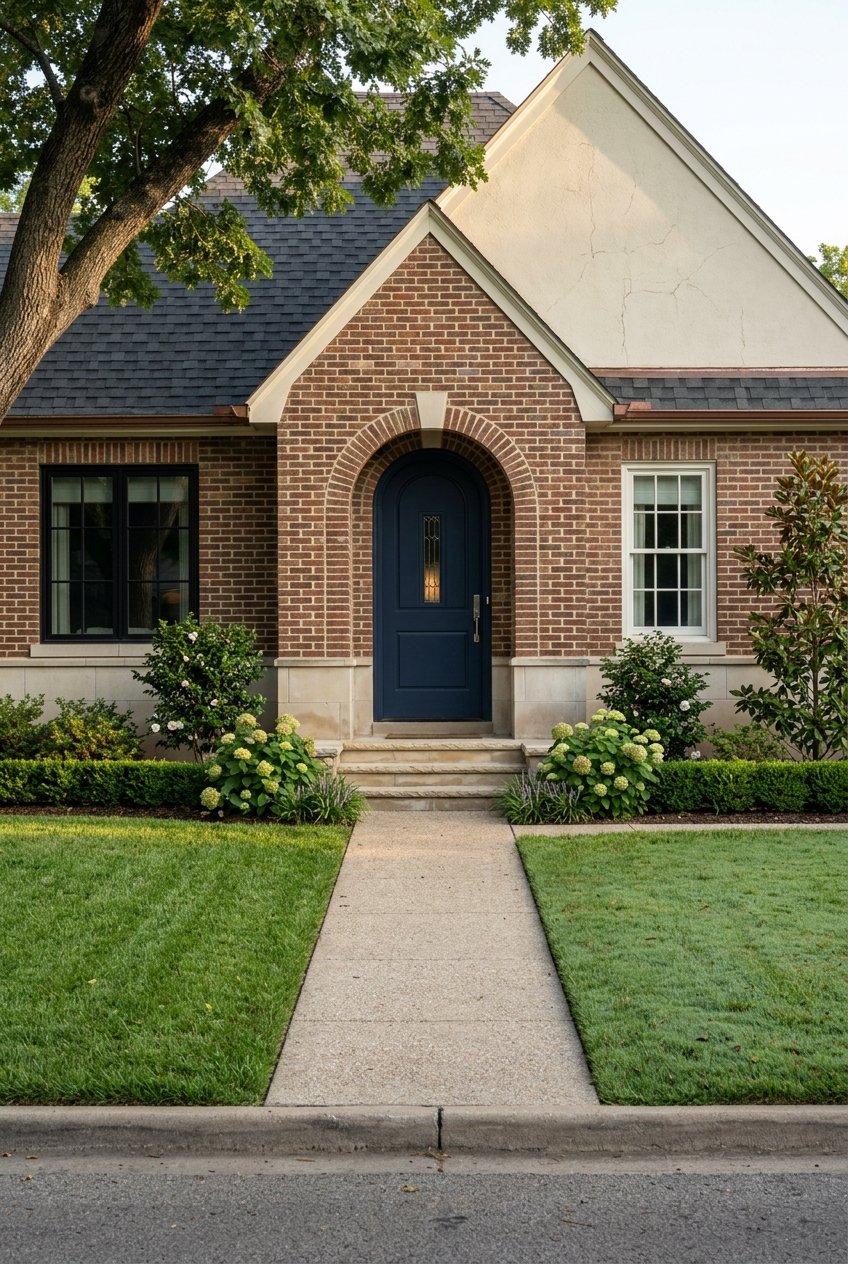
If you have ever driven through Morningside/Lenox Park and thought, this neighborhood just feels different, you are not imagining it. The area’s appeal comes from a rich mix of early 20th-century homes, mature trees, and streetscapes that feel layered instead of cookie-cutter. If you are buying, selling, or simply trying to understand what gives this intown neighborhood its identity, this guide will help you spot the architectural styles that matter and why they still shape value today. Let’s dive in.
Why Morningside/Lenox Park Looks Distinct
Morningside/Lenox Park is not defined by one single architectural style. Instead, it reads as a layered intown suburb shaped by growth in the 1920s and 1930s, when traditional house forms were especially popular in Atlanta.
According to the New Georgia Encyclopedia, Morningside’s growth began with a 1924 model house and quickly expanded into a neighborhood of small-scale Tudors, colonials, and vernacular Gothic cottages. Lenox Park followed in the early 1930s with model homes designed by Ivey and Crook, which added to the area’s visual range.
That history still shows up on the street today. You see a neighborhood built around human scale, varied rooflines, and homes that sit within a larger setting of mature trees, greenspaces, and preserved landscape features.
Streetscape Matters as Much as Style
Architecture in Morningside/Lenox Park is tied closely to the landscape around it. The neighborhood association describes the area as being defined by mature trees, greenspaces, and active stewardship, and its parks materials note more than 20 parks, preserves, landscaped islands, and greenspaces across the community.
That means you are rarely judging a home in isolation. A Tudor, a bungalow, or a newer custom home will all feel different depending on the lot, the tree canopy, the setback, and how well the home fits the scale of the block.
The neighborhood walking tour reinforces this point. It highlights places like Daniel N. Johnson Nature Preserve, Lenox-Wildwood Park, Sunken Garden Park, a Cotswold cottage on Beech Valley Road, and the Tudor Jacobethan structure of Morningside Elementary School, showing how buildings and landscape work together to create the neighborhood’s identity.
Tudor Revival Sets the Tone
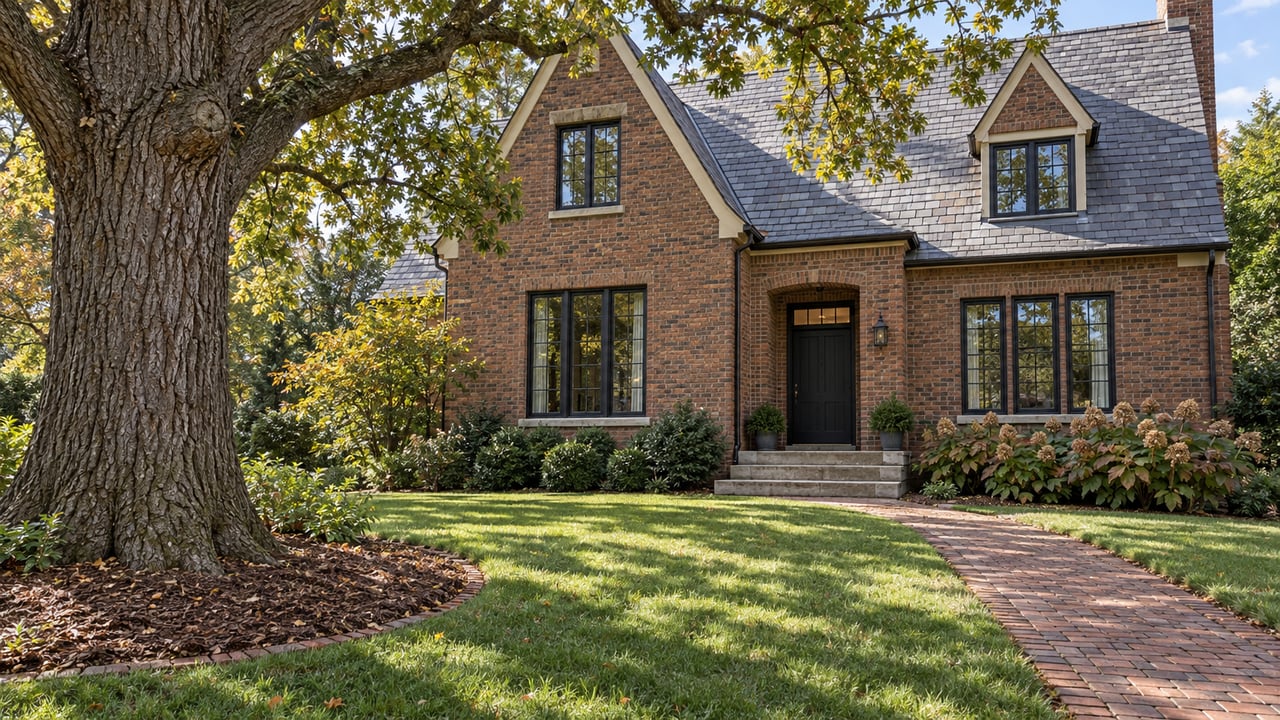
Tudor Revival is one of the most recognizable styles in Morningside/Lenox Park. If you picture steeply pitched roofs, prominent chimneys, and storybook curb appeal, you are likely thinking of the homes that help define many of the neighborhood’s most memorable streets.
National Park Service documentation describes Tudor Revival homes as typically featuring steeply pitched cross-gabled roofs, brick or stucco wall surfaces, half-timbered detailing, grouped casement windows, and large exterior chimneys. In Morningside/Lenox Park, that traditional look fits naturally with the neighborhood’s early development pattern.
What Tudor homes often feel like
Many Tudor Revival homes feel more formal and room-oriented than newer construction. Their massing and historic layouts often create distinct spaces rather than one large open plan, which can appeal to buyers who want character and separation between living areas.
From a resale perspective, authenticity matters. Original brickwork, rooflines, chimneys, and timber details often help preserve the visual integrity buyers expect from this style.
Why Tudor details matter to buyers
In a neighborhood where character is part of the value story, details can make a big difference. Homes that retain defining elements of the style often stand out more clearly than properties where those features have been removed or heavily altered.
That does not mean a home cannot be updated. It means updates tend to land best when they improve function without erasing the design language that makes the house feel rooted in Morningside/Lenox Park.
Craftsman and Bungalow Homes Ground the Neighborhood
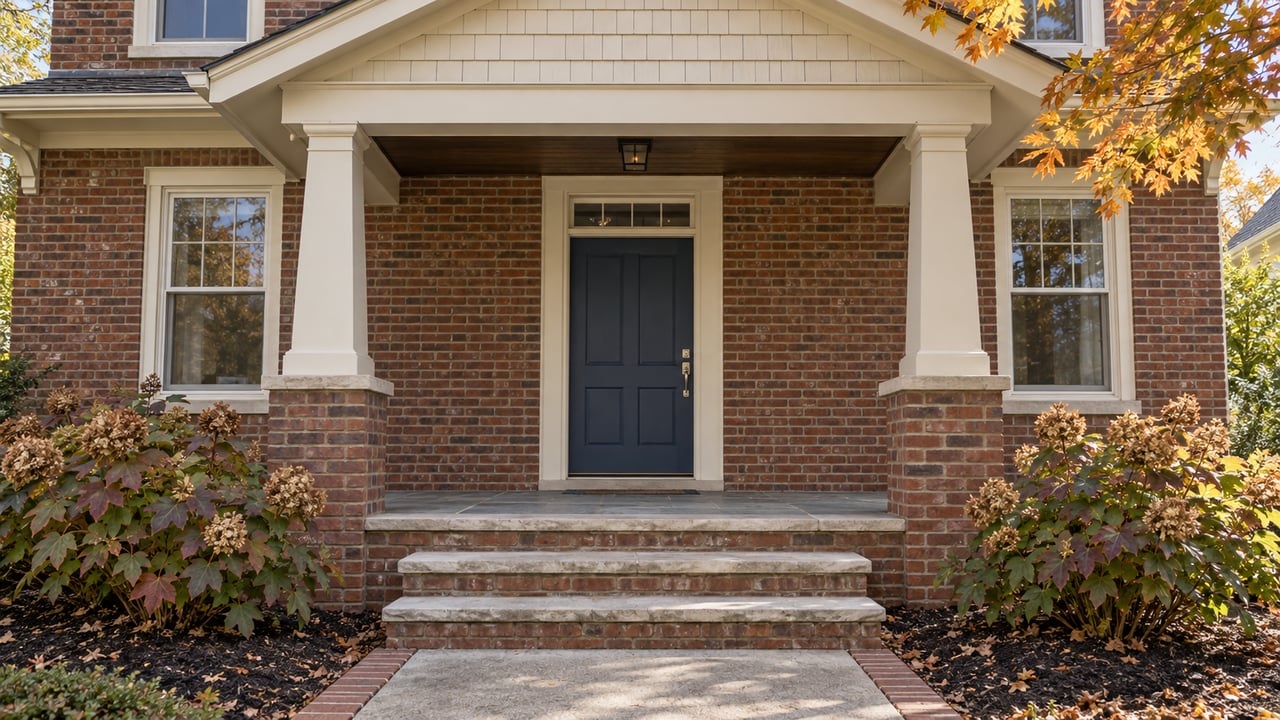
Alongside Tudor homes, Craftsman and bungalow-style houses are another major part of the neighborhood’s architectural DNA. These homes often bring a more relaxed, porch-centered feel to the streetscape while still reflecting the same early 20th-century roots.
National Park Service materials describe Craftsman and bungalow homes as one- to one-and-a-half- or two-story houses with low horizontal profiles, wide overhanging eaves, exposed rafters or braces, broad front porches, and rustic materials such as stone and brick. In local planning materials, residents have repeatedly pointed to preserving Craftsman bungalow character as part of protecting the neighborhood’s original feel.
What makes bungalows so enduring
Bungalows tend to feel manageable and inviting. Their lower profile, strong porch presence, and compact massing often create an easy connection between the home and the street.
For many buyers, that scale feels approachable and practical. It also fits the walkable, neighborly rhythm that people often associate with intown living.
Updates that tend to support value
The strongest presentation for a bungalow is often one that keeps the home’s original shape and visible character while improving kitchens, baths, and systems. That balance can make the house feel both timeless and livable.
In a market like Morningside/Lenox Park, buyers often respond well when updates feel thoughtful rather than generic. A polished renovation usually works best when it respects the home’s form instead of trying to make it look like something entirely different.
New Custom Homes Add Another Layer
New custom builds and modern infill are also part of the neighborhood today. They reflect how Morningside/Lenox Park has evolved, but they are often judged on one key question: do they fit the block?
Neighborhood planning materials emphasize compatibility, smaller homes, reduced infill pressure, and preserving the original feel of the area. The neighborhood association also notes that the urban tree canopy is under pressure from development and renovations, which makes site planning and scale part of the conversation.
What buyers often expect from newer homes
Newer custom homes often align more directly with modern preferences. Open layouts, updated systems, and turnkey finishes can be strong draws for buyers who want convenience with an intown address.
Still, in this neighborhood, function alone is usually not the whole story. Presentation and fit matter just as much, especially when buyers are comparing a newer home to an architecturally distinctive original.
Compatibility drives perception
A new home can feel like a strong addition when its massing, materials, and relationship to the lot respect the surrounding streetscape. Homes that feel too dominant or disconnected from the block may face more resistance in a neighborhood that places real value on continuity and scale.
That local context matters for sellers, too. The closer a home feels to the rhythm of the street, the easier it is for buyers to picture it as part of Morningside/Lenox Park rather than simply a house in the area.
Renovation and Preservation Are Property Specific
If you own a home here or are thinking about buying one to renovate, it is important to know that preservation expectations are not the same for every property. Atlanta’s preservation office notes that rules depend on the exact designation of the property, so renovation guidance can vary from parcel to parcel.
That is especially relevant in a neighborhood where historic character is part of the appeal. City planning language emphasizes protecting the historic integrity and single-family character of Morningside-Lenox Park and nearby intown neighborhoods.
For buyers and sellers, that means due diligence matters. A renovation plan that works on one property may not apply in the same way on another.
How Style Influences Value Today
Morningside/Lenox Park remains a premium submarket. As of April 30, 2026, Zillow reported an average home value of $1,090,638, up 4.2% year over year, with homes going pending in about 23 days. Realtor.com reported a median listing price near $1.2 million and 34 homes for sale.
Those numbers do not mean every architectural style performs the same way. They do suggest that buyers are willing to pay for location, presentation, lot quality, and homes that feel true to the neighborhood.
What tends to stand out in the market
In practical terms, homes often gain traction when they do one of two things well. They either preserve historic character in a convincing way, or they offer a modern update that still feels compatible with the block.
That is why architectural style matters beyond curb appeal. It shapes buyer emotion, expectations, and how easily a home fits into the broader story of the neighborhood.
What This Means if You’re Selling
If you are selling in Morningside/Lenox Park, your home’s style is not just a design detail. It is part of how buyers understand the property before they ever step inside.
A Tudor with preserved brickwork and strong rooflines, a bungalow with a welcoming porch and thoughtful updates, or a newer custom home that respects scale and trees can all be compelling. The key is presenting the home in a way that highlights what makes it architecturally coherent and locally relevant.
That is where strong preparation matters. Professional staging, photography, and video can help buyers connect the home’s style to its lifestyle value, especially in a neighborhood where design and streetscape play such a visible role.
What This Means if You’re Buying
If you are buying, it helps to look beyond the label on the listing. A style name tells you something, but the real question is how the home lives, how it has been updated, and how well it fits the street around it.
In Morningside/Lenox Park, the best opportunities are often homes that combine architectural character with smart modernization. Whether you are drawn to Tudor details, bungalow charm, or newer construction, the neighborhood rewards buyers who pay attention to both design and context.
The Lasting Appeal of Morningside/Lenox Park
What defines Morningside/Lenox Park is not a single style but the conversation between old and new. Its strongest identity still comes from the original early 20th-century housing stock, the mature trees, and the greenspaces that soften and connect the streetscape.
That is why the neighborhood continues to resonate with buyers and homeowners alike. When a home respects that setting, whether historic or newly built, it tends to feel more timeless, more intentional, and more connected to what makes this part of Atlanta special.
If you are thinking about buying or selling in Morningside/Lenox Park, working with a local specialist can help you position architectural character the right way. Connect with Ken Covers for neighborhood-informed guidance, tailored strategy, and a polished approach to marketing and valuation.
FAQs
What architectural styles are most common in Morningside/Lenox Park?
- The neighborhood is especially known for Tudor Revival homes, Craftsman and bungalow houses, and a mix of newer custom homes that have been added over time.
What defines Tudor Revival homes in Morningside/Lenox Park?
- Tudor Revival homes in the neighborhood often feature steeply pitched roofs, brick or stucco exteriors, half-timbered details, grouped windows, and prominent chimneys.
Why are bungalow homes important in Morningside/Lenox Park?
- Bungalows help define the neighborhood’s original character because of their low profiles, wide porches, and early 20th-century design features that fit the area’s human-scale streetscape.
Do renovation rules differ for homes in Morningside/Lenox Park?
- Yes. Atlanta’s preservation office notes that applicable rules depend on the property’s exact designation, so expectations can vary from one parcel to another.
How does architecture affect home value in Morningside/Lenox Park?
- Architecture can influence value by shaping buyer appeal, especially when a home preserves historic character or delivers a modern update that feels compatible with the block.
Are newer custom homes common in Morningside/Lenox Park?
- Newer custom homes are part of the neighborhood’s evolution, but they are typically judged by how well they fit the scale, materials, trees, and overall context of the surrounding street.