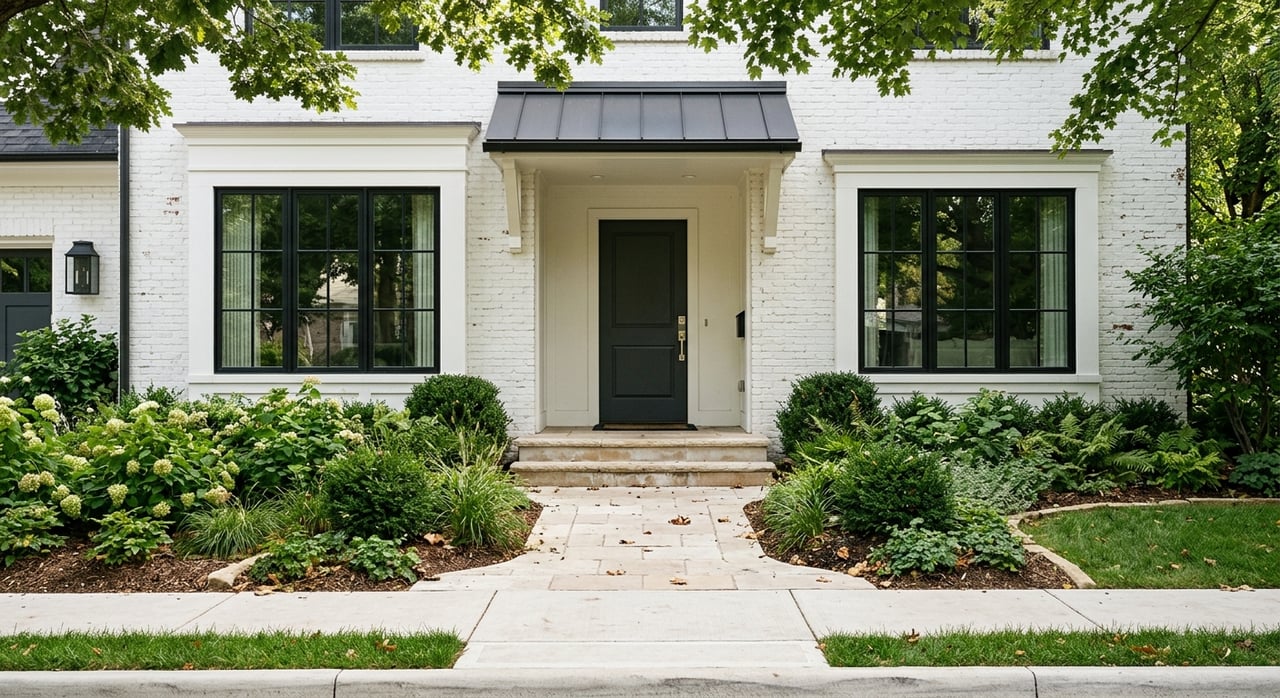
If you are torn between Intown Atlanta and the suburbs, you are not alone. This choice often comes down to how you want to live each day, not just where you want to sleep at night. When you compare neighborhoods like Morningside, Virginia-Highland, Sherwood Forest, and Ansley Park with suburban alternatives, you are really weighing character, commute style, school zoning, walkability, and price per square foot. Let’s dive in.
What this decision really means
The question is not whether Intown Atlanta or the suburbs are “better.” The better fit depends on what matters most to you, your budget, and the exact address you choose.
In Atlanta, small location changes can create big differences in housing style, school assignment, and daily convenience. That is especially true when you are comparing Intown neighborhoods with nearby suburban options in places like Sandy Springs, Decatur, or Marietta.
Intown Atlanta often offers more character
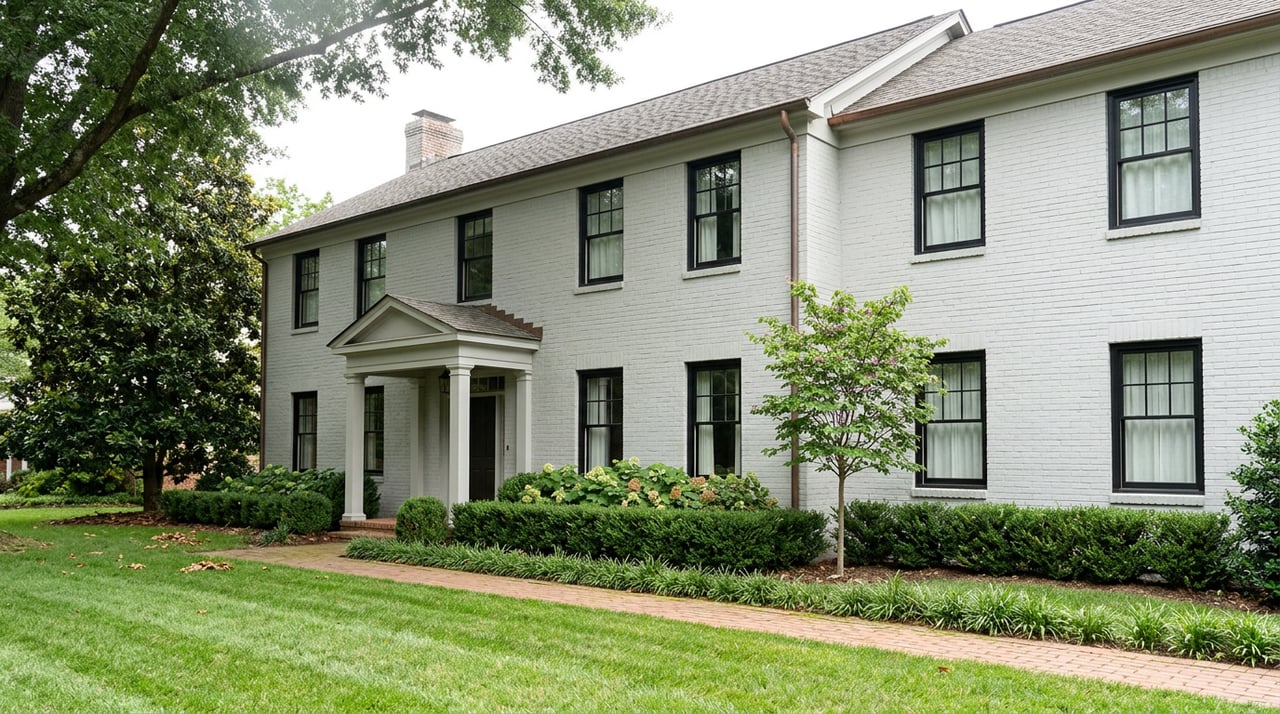
Many Intown neighborhoods are known for older homes and a more established streetscape. The City of Atlanta describes Ansley Park as one of the city’s most established neighborhoods and a former streetcar suburb with a quiet, traditional residential character.
Virginia-Highland’s planning documents describe a housing stock made up mostly of early- to mid-1900s homes, with many detached single-family houses. The city also notes that areas such as Virginia Highland, Morningside, Lenox Park, and Atkins Park include some two- and three-family housing within single-family-zoned areas.
What that means for buyers
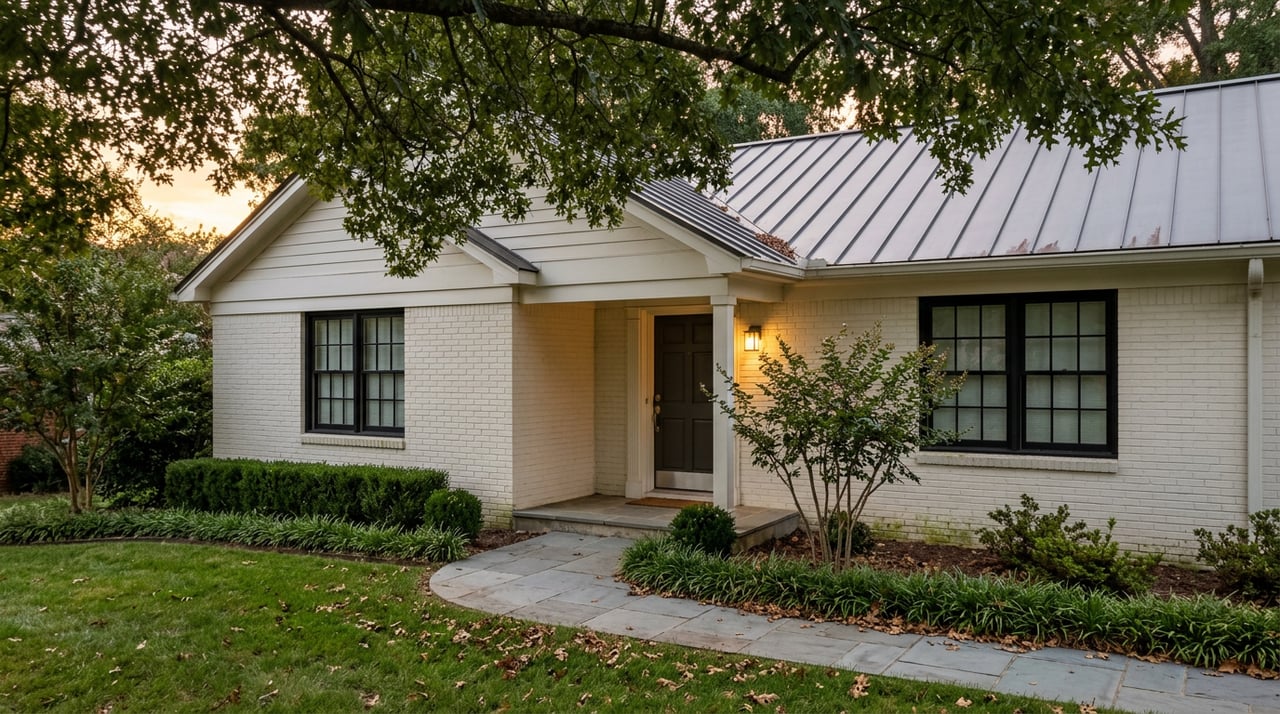
If you are drawn to architecture, mature trees, and homes with distinct design details, Intown Atlanta may feel more compelling. These neighborhoods often offer a different experience than a newer subdivision layout.
That does not mean every Intown home is the same. Even nearby neighborhoods can vary a lot in lot size, renovation level, and how close you are to shops or trails.
Walkability varies more than many buyers expect
A lot of buyers choose Intown Atlanta because they want easier access to neighborhood businesses, parks, and trails. Virginia-Highland, for example, has a 1.4-mile retail corridor along North Highland Avenue with restaurants, shops, fitness, and wellness uses.
The BeltLine’s Eastside Trail includes Virginia-Highland among its connected neighborhoods, and planning for the Northeast Trail is intended to connect Midtown, Virginia-Highland, and Morningside. For many buyers, that kind of access shapes daily life as much as the home itself.
Not all Intown neighborhoods feel equally walkable
This is where the details matter. Current neighborhood data shows Virginia-Highland with a Walk Score of 77, Ansley Park at 68, and Morningside-Lenox Park at 44.
So while all three are considered Intown, they do not deliver the same day-to-day experience. If walkability is a top priority, you need to evaluate the specific neighborhood and property, not just the general Intown label.
Commute time is not the whole story
Many buyers assume suburban living always means a much longer commute. The data does not fully support that.
Census QuickFacts show mean travel time to work at 26.5 minutes in the City of Atlanta, 28.0 minutes in Fulton County, 30.4 minutes in DeKalb County, and 29.4 minutes in Cobb County. Nearby alternatives such as Brookhaven, Sandy Springs, Decatur, and Marietta are in a similar range.
How lifestyle may matter more than raw minutes
The bigger difference may be how you get around once you are home. MARTA operates weekdays from 4:45 AM to 1 AM and weekends from 6 AM to 1 AM, and its rail, bus, and streetcar system remains the main transit option for households that want to reduce car dependence.
Intown buyers often care less about total commute minutes and more about whether daily errands, dining, exercise, and social plans can happen with shorter trips. In many suburban areas, you may still have a manageable commute, but daily life is often more driving-focused.
School zoning is highly address-specific
If schools are part of your decision, this is one of the most important points in the entire process. In Atlanta Public Schools, school zones are tied to the legal address in tax records, and the district says zones are set by the Atlanta Board of Education.
That means you should verify the exact address every time. You cannot assume a school assignment based only on a neighborhood name.
Intown school paths can differ within nearby areas
APS enrolled 49,558 students in the 2025 school year across 59 traditional schools, along with charter, partner, program, single-gender, and alternative options. The district is organized into nine high school clusters with feeder patterns.
APS states that Morningside Elementary serves Morningside, Lenox Park, and Piedmont Heights and feeds Howard Middle and Midtown High. Virginia-Highland Elementary serves Ansley Park, Midtown, Morningside, Sherwood Forest, and Virginia-Highland.
That overlap shows why broad neighborhood branding can be misleading. Two homes that seem close together may not follow the same school path.
Suburban school comparisons widen the search
When buyers look outside Intown Atlanta, they are often comparing a broader district set. City Schools of Decatur is a separate public charter district serving about 5,300 students within a four-square-mile city.
Fulton County Schools enrolls roughly 89,600 students in 104 schools, Cobb County Schools serves 105,738 students in 112 schools, and DeKalb County Schools serves more than 92,000 students in 138 schools and centers. If district structure matters to you, suburb shopping may naturally open up more comparison points.
Price per square foot is one of the clearest tradeoffs
For many buyers, this is where the Intown versus suburbs decision becomes very real. Current neighborhood data shows a clear premium in several Intown neighborhoods.
Virginia-Highland is at $447 per square foot with a median sale price of $750,000. Morningside-Lenox Park is at $406 per square foot with a median sale price of $1,152,500. Ansley Park is at $461 per square foot with a median sale price of $1,627,000, and Sherwood Forest is at $426 per square foot.
Why Intown pricing can feel different
In many Intown neighborhoods, you are often paying more per square foot for location, housing character, and proximity to neighborhood amenities. You may also be buying into smaller sales counts, especially in luxury enclaves, which means median sale prices can move more from month to month.
That can make pricing feel less uniform than in larger suburban markets with more inventory. It also makes local neighborhood knowledge especially important when you are evaluating value.
Suburban benchmarks are often lower
Broader benchmarks show lower price-per-square-foot figures in many nearby areas. Atlanta citywide is $254 per square foot, Fulton County is $239, Sandy Springs is $225, Decatur is $185, North Decatur is $265, and Marietta is $221.
For many buyers, that means the suburbs may offer more space per dollar. In exchange, you may be choosing a different housing style and a more car-dependent routine.
A simple way to decide
If you feel stuck, try framing the choice around your top three priorities. Most buyers are not really choosing between a city and a suburb. They are choosing between tradeoffs.
Here is a simple way to think about it:
- Choose Intown Atlanta if you value architectural character, neighborhood retail, trail or transit access, and a more walkable or car-light routine.
- Choose the suburbs if you value more space per dollar, a wider range of district comparisons, and a lifestyle that is comfortable being more driving-oriented.
- Focus on the exact address if school zoning, commute patterns, or specific daily routines will shape your decision.
Questions to ask before you choose
Before you decide, it helps to get clear on how you actually live. A beautiful house in the wrong pattern for your daily routine can feel less convenient than expected.
Ask yourself:
- Do you want older, character-rich housing or a newer-home feel?
- How important is being able to walk to shops, dining, or trails?
- Are you comfortable paying a premium per square foot for Intown access?
- Do you need to verify a specific school assignment before making an offer?
- Do you want your day built around shorter local trips or easier access to more space?
The best answer is usually hyper-local
In Atlanta, this decision is rarely solved by a simple map. One block can change your school zoning, your access to daily amenities, and how connected you feel to the neighborhood.
That is why the best move is usually to compare the specific homes, streets, and addresses that match your priorities. If you are weighing Morningside, Virginia-Highland, Sherwood Forest, Ansley Park, or nearby suburban alternatives, local context matters as much as the listing itself.
Whether you are buying your next home or preparing to sell in one of Atlanta’s most sought-after neighborhoods, working with an advisor who understands these micro-market differences can save you time and help you make a more confident decision. If you want expert guidance grounded in Intown Atlanta experience, connect with Ken Covers for a personalized conversation.
FAQs
How do I decide between Intown Atlanta and the suburbs?
- Start with your daily priorities: housing character, walkability, school zoning, commute style, and budget. In Atlanta, the best fit usually comes down to which tradeoffs matter most to you.
Are Morningside, Virginia-Highland, Sherwood Forest, and Ansley Park all equally walkable?
- No. Current data shows different walkability levels across these Intown neighborhoods, so you should compare the specific area and property instead of assuming all Intown locations offer the same experience.
Do Atlanta Public Schools assignments depend on the neighborhood name?
- No. APS says school zones are tied to the legal address in tax records, so exact address verification is essential.
Is Intown Atlanta more expensive than nearby suburbs?
- In many cases, yes. Current data shows higher price-per-square-foot figures in neighborhoods like Virginia-Highland, Morningside-Lenox Park, Ansley Park, and Sherwood Forest than in several broader suburban benchmarks.
Is suburban Atlanta always better for commuting?
- Not necessarily. Mean travel times across Atlanta, Fulton, DeKalb, and Cobb are fairly similar, so the bigger difference is often whether you want a more walkable, transit-connected routine or a more driving-first lifestyle.