If you are drawn to Virginia-Highland, chances are it is not just about the house. It is about the feeling of a front porch under a mature tree canopy, the rhythm of walkable blocks, and outdoor spaces that seem to invite daily life. Whether you are buying, selling, or updating a home here, understanding porch culture can help you see what makes this neighborhood special and what buyers often respond to most. Let’s dive in.
Why porches matter here
Virginia-Highland’s outdoor identity is rooted in how the neighborhood was built. The historic district developed mainly from 1905 through 1936, with Craftsman, English Vernacular Revival, and Colonial Revival architecture shaping the streetscape.
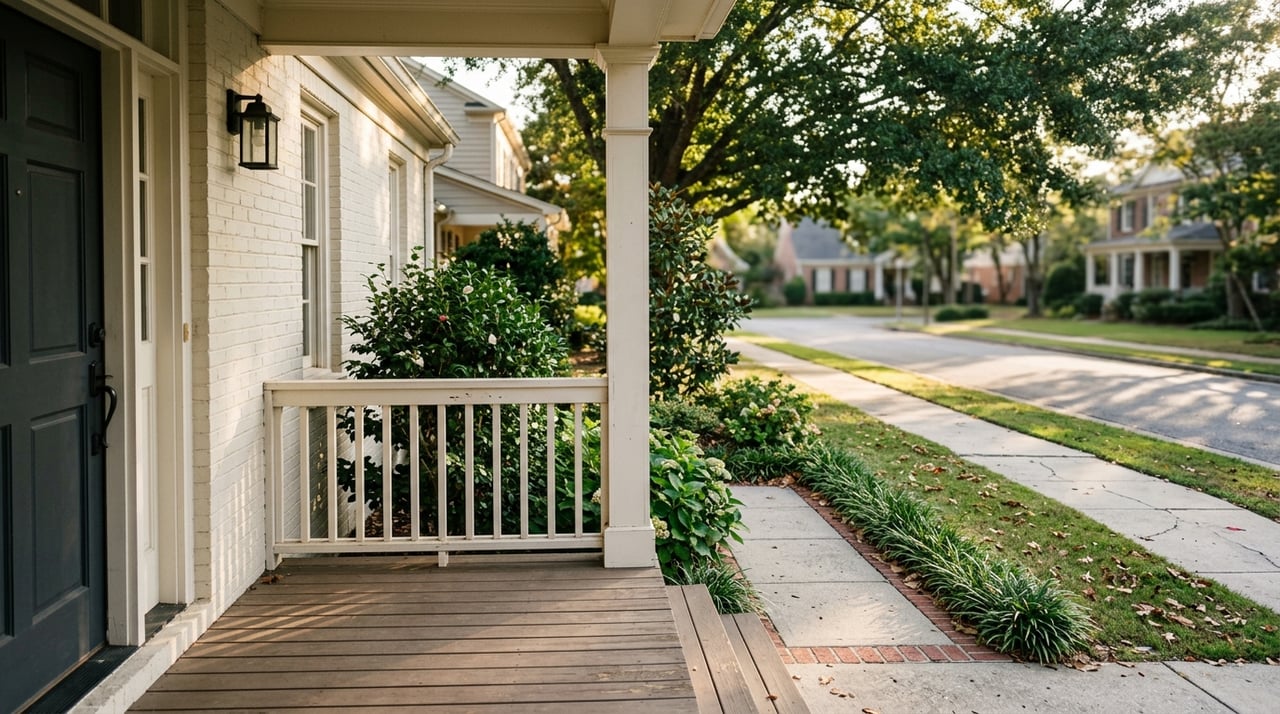
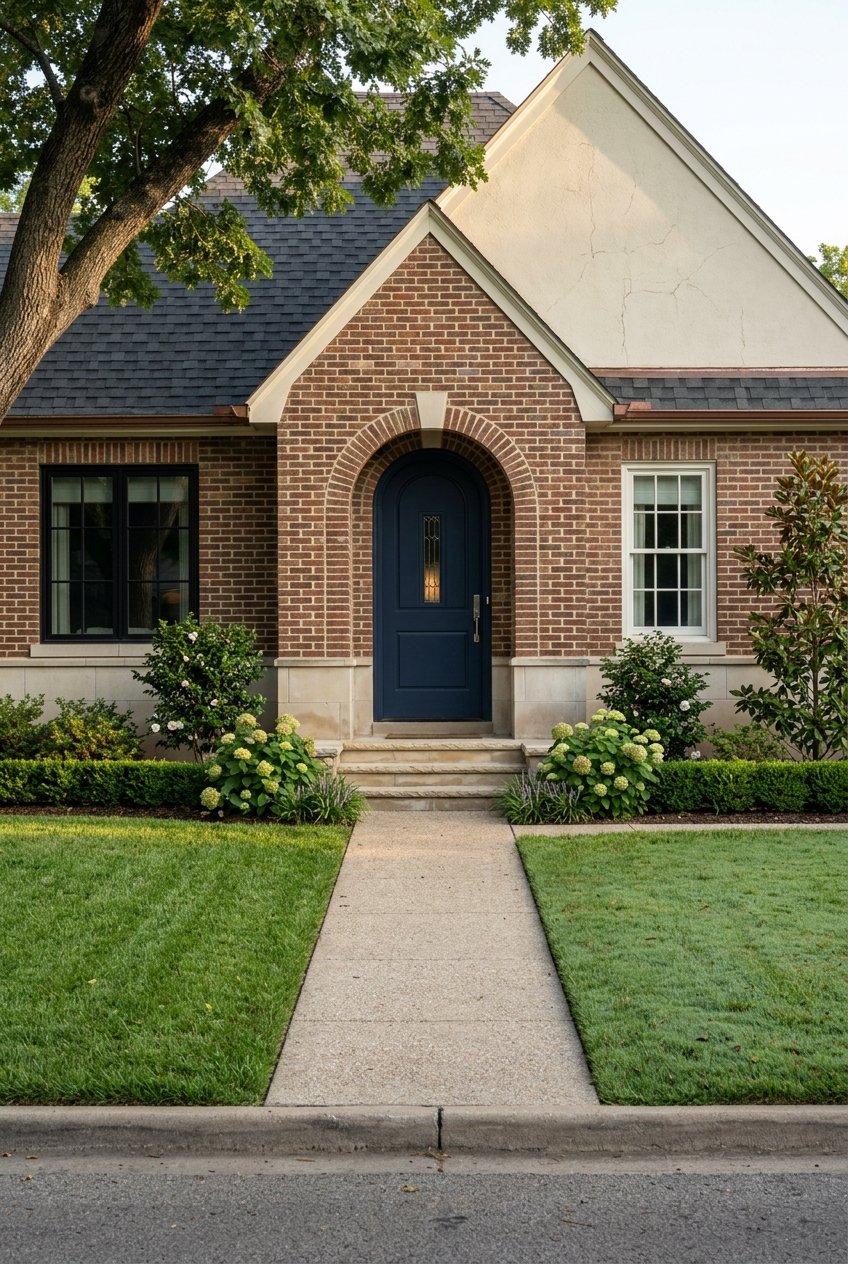
That history still shows up in the homes you see today. Bungalows, cottages, and American Foursquares often feature broad front porches, wide eaves, exposed rafters, and other details that make the porch feel like part of the home’s main living experience, not an afterthought.
In Virginia-Highland, the porch-to-street relationship matters. The neighborhood’s early streetcar-era form, along with tree-filled blocks and closely connected homes, creates an outdoor pattern where front porches naturally face daily neighborhood life.
Porch culture is still active
In some neighborhoods, porches are mostly decorative. In Virginia-Highland, they still function as social space.
A strong example is Virginia-Highland Porchfest, where neighborhood porches become live music stages. That kind of event says a lot about how outdoor living works here. The front porch is not only a design feature. It is part of the neighborhood’s public-facing character.
That same outdoor culture extends beyond private homes. The Virginia-Highland Civic Association remains active in planning, preservation, park maintenance, sidewalks, parking, traffic, safety, and communications, which helps support the neighborhood’s shared identity.
John Howell Memorial Park also reflects that outdoor tradition. The park has local civic meaning and stands as part of the neighborhood story, while the City of Atlanta identifies it as a neighborhood park at Virginia Avenue.
The broader streetscape supports this lifestyle too. The City of Atlanta’s Main Street program describes Virginia Highland as a 1.4-mile stretch of North Highland Avenue lined with trees, restaurants, bars, shops, fitness, and wellness services. For you as a buyer or seller, that means outdoor living here is not limited to a backyard. It often includes the front porch, the sidewalk, the park, and the surrounding commercial district.
What buyers notice first
When a neighborhood is known for porch character, exterior presentation carries extra weight. Buyers often start forming opinions before they ever step inside.
National Association of Realtors guidance notes that porches, landscaping, lighting, and pathways help shape how a home is positioned in the marketplace. In a place like Virginia-Highland, where outdoor thresholds are part of the neighborhood identity, that first impression can feel even more important.
This is one reason thoughtful staging matters outside as much as inside. The National Association of Realtors 2025 Profile of Home Staging found that 83% of buyers’ agents said staging made it easier for buyers to visualize a property as a future home, and 17% said staging increased the dollar value offered by 1% to 5%.
For a Virginia-Highland listing, that can translate into simple but effective decisions such as:
- Clean porch surfaces and steps
- Freshly painted or well-maintained railings and trim
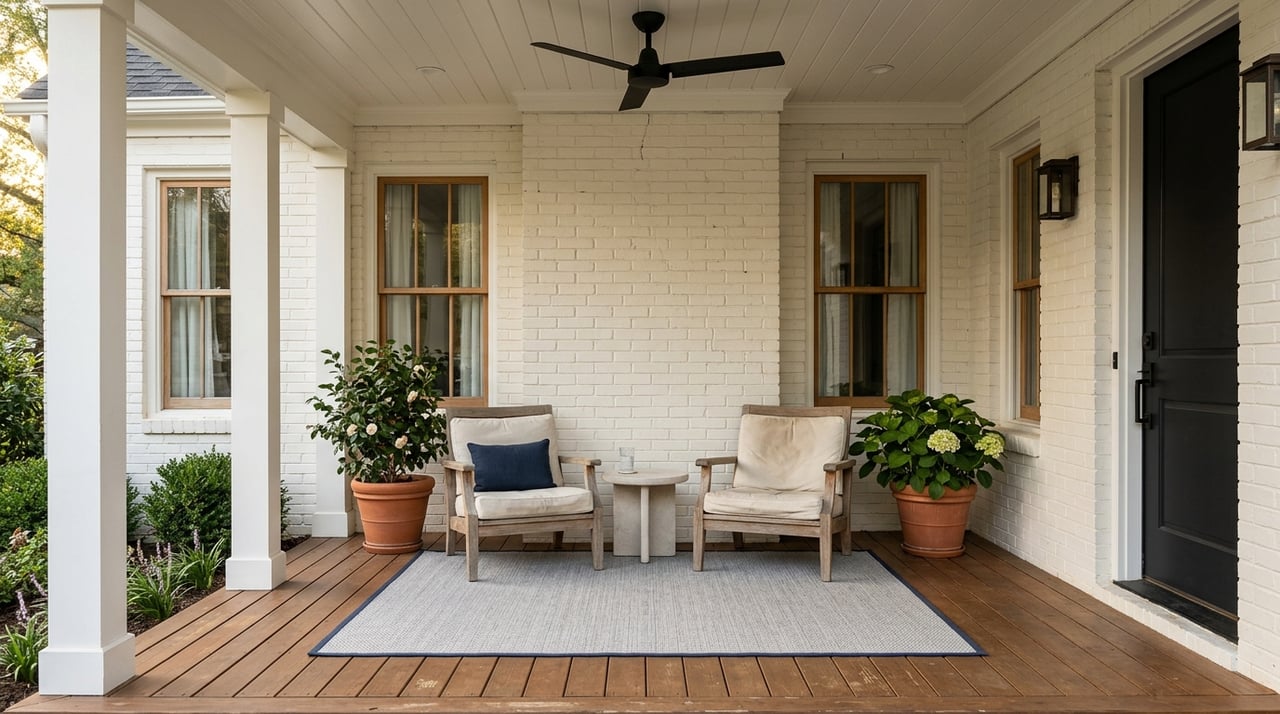
- Comfortable seating that fits the scale of the porch
- Potted plants that frame the entry without clutter
- Good lighting at the front door and walkway
- Tidy landscaping and clear hardscape edges
These details help buyers understand how the home lives. They also photograph well, which matters in a market where strong visual presentation often drives early interest.
Outdoor upgrades that tend to resonate
If you are wondering where to focus time or money, large additions are not the only answer. In Virginia-Highland, smaller outdoor improvements can have a strong impact when they respect the home’s original character and improve everyday use.
The National Association of Realtors 2023 Remodeling Impact Report found estimated nationwide cost recovery of 100% for an overall landscape upgrade, 95% for a new patio, and 89% for a new wood deck. Homeowners also reported that improved functionality and livability were the biggest benefits, with 52% of patio owners and 57% of deck owners naming that as the main payoff.
Those are national averages, and outcomes vary by region, property, and project scope. Still, they support a useful point for Virginia-Highland homeowners: outdoor updates often matter most when they make the home easier to enjoy and easier for buyers to picture using.
In this neighborhood, upgrades that often fit the context best include:
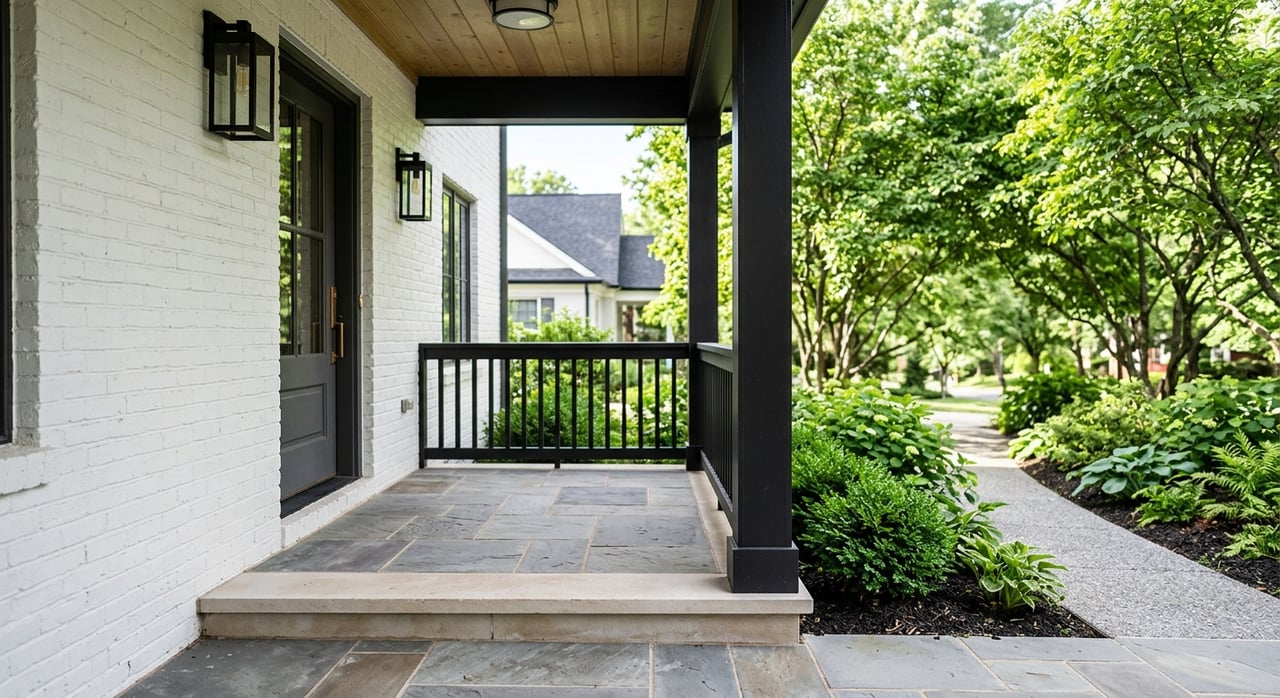
- Refreshing the front porch with seating, lighting, and paint
- Simplifying and improving landscaping
- Repairing walkways, steps, or hardscape edges
- Adding or updating a patio for better everyday use
- Improving screening, privacy, or comfort in an existing outdoor area
Because Virginia-Highland is so porch-centric, even a modest but well-finished front outdoor space can read as a meaningful lifestyle feature.
Perceived value versus square footage
This is one of the most common questions sellers ask. Do porches, patios, and decks count as square footage?
Usually, no. A National Association of Realtors article notes that patios, decks, and similar features may add value and market appeal, but they generally are not counted as livable square footage.
That distinction matters when you are pricing a home or comparing properties. Outdoor living areas can influence buyer emotion, usability, and perceived value, even when they do not increase official living area.
In practical terms, a great porch may not change the square-foot count, but it can still help a home stand out. In a neighborhood where porch culture is real, that difference can be meaningful during showings and in listing photos.
Why presentation matters even more now
Buyers have become more sensitive to condition and readiness. The National Association of Realtors 2025 Remodeling Impact Report says 46% of home buyers are less willing to compromise on home condition than they were a few years ago.
That does not mean every seller needs a major renovation. It does mean that a clean, usable, visually appealing outdoor space can support stronger buyer confidence.
For sellers in Virginia-Highland, the goal is usually not to overbuild. The smarter move is often to preserve the original porch character, improve comfort and appearance, and make the exterior feel intentional from the first photo through the final showing.
This presentation-first approach is especially effective in architecturally distinctive intown neighborhoods, where buyers often respond to both charm and move-in-ready condition.
Local checks before you build
Before making exterior changes, it is smart to confirm what approvals may apply. Atlanta’s Historic Preservation Studio advises owners to check zoning and historic-preservation designation in the city GIS system, since a Certificate of Appropriateness may be required depending on the property and scope of work.
The City of Atlanta also states that decks and porches may require additional permits or reviews depending on the zoning district and overlay. For Virginia-Highland homeowners, that means it is best to verify requirements before construction starts.
This is especially important in a historic neighborhood, where the most successful updates often work with the existing architectural language rather than against it.
What this means if you are selling
If you plan to sell in Virginia-Highland, your outdoor spaces deserve strategy, not just maintenance. Buyers are often drawn to this neighborhood because of its architecture, walkability, and sense of place. Your porch and exterior presentation help tell that story.
A strong listing approach usually highlights:
- The connection between the home and the street
- Architectural details that define the porch
- Seating or staging that shows how the space can be used
- Landscaping and lighting that support curb appeal
- Photos and video that capture the home’s outdoor lifestyle
For many sellers, this is where hands-on merchandising can make a real difference. The right preparation can help a buyer feel the lifestyle before they ever cross the threshold.
What this means if you are buying
If you are buying in Virginia-Highland, it helps to look at outdoor space with both charm and practicality in mind. A front porch may be part of the emotional draw, but you should also consider how it fits your day-to-day life.
As you evaluate a home, think about:
- Whether the porch is large enough for actual seating
- How the outdoor space connects to the street and entry
- The condition of railings, steps, paint, and flooring
- Shade, lighting, and comfort throughout the day
- Whether any future exterior plans may require review or permits
In this neighborhood, outdoor living is often woven into the home’s identity. The best spaces tend to feel authentic to the architecture and easy to use.
Virginia-Highland’s porch culture is one of the reasons the neighborhood feels so memorable. If you want expert guidance on how to position, prepare, or purchase a home in this part of Intown Atlanta, connect with Ken Covers for a valuation and consultation.
FAQs
What makes Virginia-Highland porch culture different?
- Virginia-Highland combines early-20th-century porch-forward architecture, tree-lined streets, walkable blocks, and community events like Porchfest that keep front porches active as social spaces.
Do porches and patios count as square footage in Virginia-Highland homes?
- Usually not. Porches, patios, and decks may improve appeal and perceived value, but they generally do not count as livable square footage.
Which outdoor upgrades tend to help Virginia-Highland sellers most?
- Landscaping, porch refreshes, lighting, tidy hardscapes, and usable patio or deck improvements often resonate because they improve livability and strengthen curb appeal.
Do Virginia-Highland homeowners need approval for porch or deck changes?
- Possibly. The City of Atlanta says decks and porches may require permits or added review depending on zoning, overlay, and historic-preservation rules.
What should sellers highlight about outdoor living in a Virginia-Highland listing?
- Sellers should emphasize the front porch, entry, landscaping, lighting, and seating setup so buyers can easily picture how the home lives from the street inward.