If you are comparing Sherwood Forest and Ansley Park, you are really comparing two distinct versions of intown Atlanta living. Both sit close to Midtown’s parks, culture, and daily conveniences, but they feel different once you get onto the streets and start noticing the homes, lot patterns, and overall layout. If you want a clearer read on how each neighborhood lives day to day, this guide will help you spot the differences that matter. Let’s dive in.
Sherwood Forest at a Glance
Sherwood Forest reads as a tucked-away intown enclave with a strong residential feel. Its civic association describes it as framed by Peachtree Street, the Ansley Golf Club, and the Atlanta BeltLine, with about 200 homes set among lush tree cover and winding streets.
The neighborhood developed after World War II on land that had long been part of a large wooded estate. That history helps explain why Sherwood Forest often feels less formal than some older intown neighborhoods and more shaped by parcels, greenery, and quiet residential streets.
Ansley Park at a Glance
Ansley Park presents a more historic and more formally planned setting. The Ansley Park Civic Association says it was first developed in 1904 as a motorcar-oriented suburb with wide winding streets and green parks, and the City of Atlanta identifies it as a historic neighborhood just east of Midtown.
That earlier planning era still shapes the experience today. In practical terms, Ansley Park tends to feel more like a classic park-suburb neighborhood, with a visible historic framework and a closer visual relationship to Midtown’s arts and cultural core.
How the Street Feel Differs
Sherwood Forest feels quieter
Sherwood Forest is often best understood as a wooded, postwar neighborhood with a tucked-away quality. The winding, sidewalk-free streets and lower-density layout create a calmer, more secluded feel, even though the neighborhood is close to major intown destinations.
For many buyers, that is the draw. You get an intown address with a setting that can feel more insulated from the pace of surrounding commercial corridors.
Ansley Park feels more formal
Ansley Park has curving streets too, but the overall impression is more structured and historically layered. Its parks, street layout, and long-established neighborhood framework give it a more formal character.
That does not mean it feels stiff. It means the neighborhood often reads as intentionally planned, with public green spaces and a streetscape pattern that contributes to its historic identity.
Homes and Lot Patterns
Sherwood Forest housing character
Sherwood Forest is strongly associated with larger single-family parcels and a postwar housing mix. The neighborhood falls under R-3 zoning, and the City of Atlanta’s zoning table defines R-3 as single-family residential with a minimum lot size of 0.41 acres.
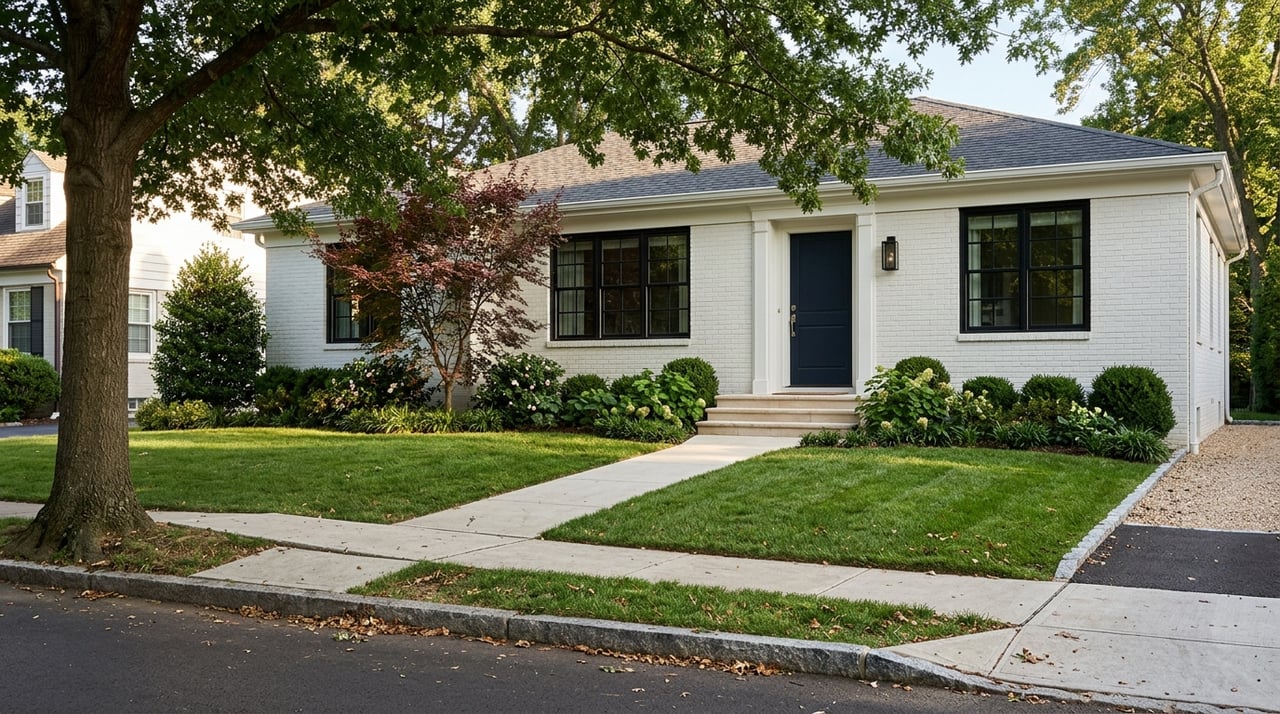
Atlanta housing history also specifically names Sherwood Forest as one of the neighborhoods where ranch homes became common. If you are drawn to ranch-era architecture, larger lots, and a low-density wooded setting, Sherwood Forest stands out for that combination.
The area is not perfectly uniform, though. Atlanta’s neighborhood-scale analysis found variation in lot sizes within the broader Ansley Park and Sherwood Forest study area, which means you may see meaningful block-to-block differences in siting and parcel dimensions.
Ansley Park housing character
Ansley Park has a more varied housing pattern. National Park Service historic-district documentation says lots are generally narrow but deep, with larger lots on primary streets and at major intersections, while smaller and more closely spaced homes appear on secondary streets.
That same documentation identifies English cottages, bungalows, American Small Houses, and American Foursquares as the predominant home types. Apartment buildings are primarily located on the edges of the neighborhood, which adds another layer to the overall housing mix.
If you are looking for architectural variety, Ansley Park usually offers more of it. Street by street, the neighborhood can shift from broad and formal to more intimate in scale.
Which Neighborhood Feels More Historic?
Ansley Park is the stronger fit if you want a neighborhood with a clearly documented early-20th-century identity. Its 1904 origins and historic-district status shape both the look of the homes and the way the streets and green spaces come together.
Sherwood Forest has its own appeal, but its identity is more postwar than historic-district in character. Buyers often respond to it less for formal historic fabric and more for its wooded setting, lot sizes, and residential privacy.
Green Space and Outdoor Access
Shared access to major amenities
One of the biggest strengths of both neighborhoods is access to green space. Sherwood Forest sits beside the Ansley Golf Club and the Atlanta BeltLine, while Ansley Park benefits from an established pattern of parks and maintained public spaces.
This park-and-golf network is a major reason the area feels greener and more residential than many people expect from an address so close to Midtown.
Piedmont Park adds daily convenience
Piedmont Park is the most important shared amenity nearby. The Piedmont Park Conservancy says the park is open daily, can be entered from multiple gates, and is reachable from the BeltLine.
The Atlanta Botanical Garden sits adjacent to Piedmont Park in Midtown and includes 30 acres of gardens. Together, these destinations strengthen the area’s outdoor appeal and make it easier to picture a lifestyle that mixes residential quiet with quick access to major public spaces.
Midtown Access and Cultural Life
Midtown’s arts corridor is one of the strongest lifestyle advantages for both Sherwood Forest and Ansley Park. Midtown Alliance says Midtown has the largest concentration of arts and cultural venues in the Southeast, with 25 arts and cultural venues, more than 30 permanent performing arts groups, and 22 entertainment facilities.
Key destinations in that district include the Woodruff Arts Center, High Museum of Art, Atlanta Symphony Orchestra, and Alliance Theatre. The Fox Theatre is also nearby on Peachtree Street, which adds another major performance venue within easy reach.
For buyers, the practical takeaway is simple. These neighborhoods offer a residential setting that still keeps you close to some of Atlanta’s best-known parks, gardens, museums, and performance spaces.
A Simple Way to Compare Them
If you want a quick shorthand, Sherwood Forest is best described as a wooded, postwar, tucked-away intown enclave. Ansley Park is best described as a historic park-suburb neighborhood with curving streets, architectural range, and direct access to Midtown’s cultural amenities.
That distinction can be useful when you start touring homes. Sometimes the right fit is less about price or square footage and more about whether you want a quieter, larger-lot setting or a more historic and varied neighborhood fabric.
What Buyers Should Notice on a Tour
When you visit Sherwood Forest, pay close attention to lot size, the siting of the home, and how the wooded setting shapes privacy and curb appeal. Because ranch-style homes are an important part of the neighborhood’s identity, it also helps to note whether a property leans more original, renovated, or newly expanded.
In Ansley Park, focus on how each street feels different. You may notice changes in lot width, home spacing, and architectural style from one section to the next, which can have a real impact on how a specific home lives.
Why Neighborhood Character Matters
Neighborhood character shapes more than first impressions. It affects how you use outdoor space, how the street feels when you come home, and what kind of architectural setting surrounds your property.
For sellers, it also affects positioning. In intown Atlanta, buyers often respond strongly to the story of a neighborhood, so understanding whether a home fits a wooded postwar identity or a historic park-suburb setting can help frame it more effectively in the market.
If you are weighing Sherwood Forest against Ansley Park, or preparing to sell in one of these neighborhoods, local context makes a real difference. Ken Covers brings deep insight into Intown Atlanta’s micro-markets and a presentation-first approach that helps buyers and sellers make confident moves.
FAQs
What is the main character of Sherwood Forest in Atlanta?
- Sherwood Forest is best understood as a compact, wooded, postwar intown neighborhood with winding streets, about 200 homes, and a quieter residential feel.
What is the main character of Ansley Park in Atlanta?
- Ansley Park is a historic neighborhood first developed in 1904, known for wide winding streets, green parks, and a more formally planned park-suburb setting.
Which neighborhood has more historic character, Sherwood Forest or Ansley Park?
- Ansley Park has the stronger historic identity based on its 1904 planning history and documented historic-district character.
Which neighborhood is more associated with ranch-style homes in Atlanta?
- Sherwood Forest is more closely associated with ranch-style homes, and Atlanta housing history specifically names it as a neighborhood where ranches became common.
How do lot patterns differ between Sherwood Forest and Ansley Park?
- Sherwood Forest is more consistently associated with larger single-family parcels, while Ansley Park has a more varied pattern of narrow-deep lots, larger lots on primary streets, and smaller homes on some secondary streets.
What outdoor amenities are near Sherwood Forest and Ansley Park?
- Both neighborhoods benefit from access to the Atlanta BeltLine, Ansley Golf Club, Piedmont Park, and the Atlanta Botanical Garden.
Are Sherwood Forest and Ansley Park close to Midtown Atlanta attractions?
- Yes. Both neighborhoods are close to Midtown’s arts and cultural district, including major institutions such as the High Museum of Art, Woodruff Arts Center, and other nearby performance venues.