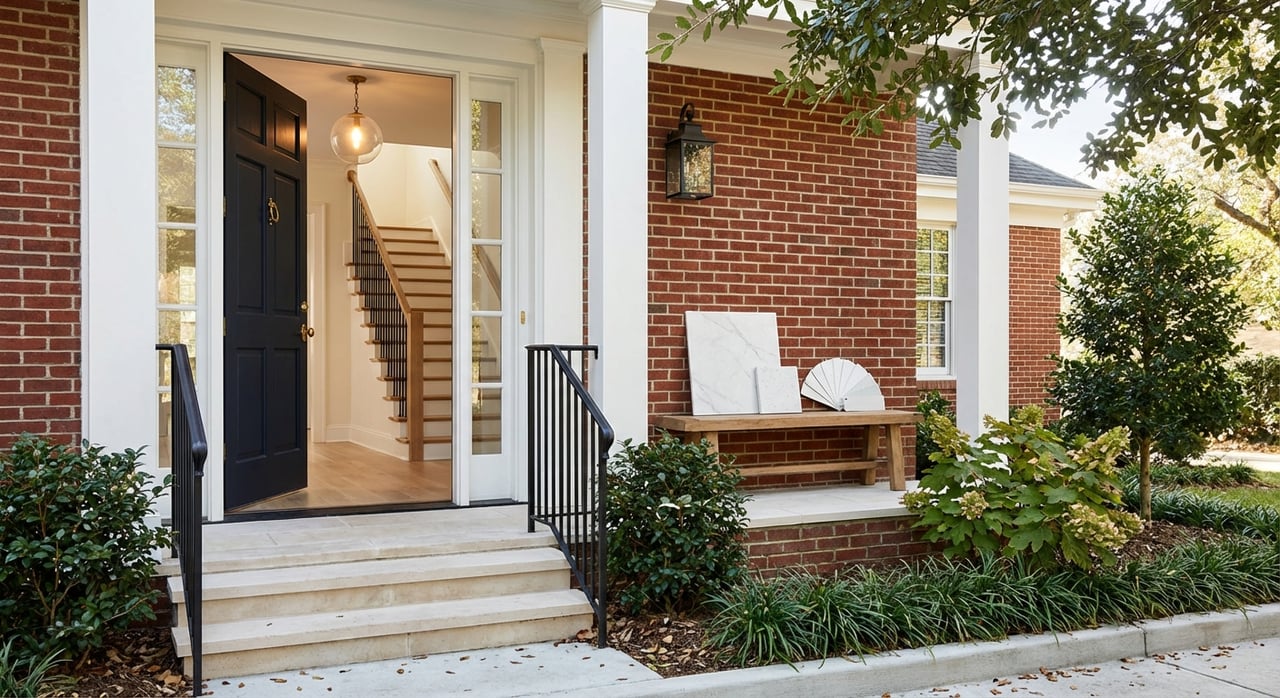
Should you make your Morningside home fit your life or find one that already does? It is a big decision with real money, time, and lifestyle tradeoffs. If you are weighing a kitchen upgrade, an addition, or a new address nearby, you want a clear way to compare both paths. This guide gives you local context, realistic costs, permitting checkpoints, and a simple math framework so you can move forward with confidence. Let’s dive in.
Morningside market: what it means
Morningside/Lenox Park is known for early 20th‑century bungalows, Tudors, and quality infill, minutes from parks and neighborhood amenities. The Atlanta Journal‑Constitution highlights its walkability and strong neighborhood identity, which helps explain sustained demand for well‑located homes in the area. You can read more about the neighborhood’s character in this AJC overview of Virginia‑Highland and Morningside for added context: insider guide to the area.
As of January 2026, Redfin reports a median sale price of about $1.18 million in Morningside/Lenox Park and a median days on market of roughly 105 days. Zillow’s typical home value (ZHVI) for the area sits near $1.03 million through January 31, 2026. Providers use different methods, so expect a range rather than a single number, and remember these figures change monthly.
What this means for you: high location value can reward smart, functional updates that today’s buyers want, yet both renovating and moving involve large dollar amounts. Small percentage shifts can add up to big money, so use current, street‑level comps when you run the numbers.
Start with goals and timing
Before you price a contractor or browse listings, define what problem you are solving and how long you plan to stay. Do you need a second full bath, better kitchen flow, a home office, or a primary suite on the main level? Are you planning to hold for 7 or more years, or do you expect a move within 1 to 3 years?
- If you plan to stay longer, larger remodels are easier to justify because you capture more personal utility over time.
- If your horizon is short, focus on modest, high‑impact updates that improve daily life and marketability without overinvesting.
Zoning and permitting in Atlanta
Feasibility drives cost and timeline. Before you sketch plans, check your specific parcel’s zoning, overlays, and permit history with the City of Atlanta’s official tools. Use the City’s Research a Property or Project hub to confirm your zoning district, previous permits, and permitting steps: City of Atlanta permit navigator and GIS.
Morningside/Lenox Park is primarily residential. The Morningside‑Lenox Park Association has an active zoning committee and often reviews variance requests. Many homeowners consult the association early to understand neighborhood expectations: MLPA zoning page.
If your property lies in a local historic overlay, visible exterior changes may require design review and a Certificate of Appropriateness. National Register status is honorific, but a City‑designated local historic district adds enforceable review that can extend timelines. For a quick primer on how local overlays work, see these local historic district FAQs.
Plan for permit review, contractor scheduling, and soft costs like surveys, engineering, architecture, and potential hearings. Larger additions, second stories, or detached ADUs usually add weeks to months to your schedule, depending on scope and review steps.
What renovations really cost
Every project is different, but a few benchmarks help you budget:
- Remodeling magazine’s 2024 Cost vs. Value report shows typical resale recapture varies by project. A midrange minor kitchen remodel recouped about 96 percent at resale, a major midrange kitchen about 50 percent, and a midrange bath about 74 percent. Primary suite additions and large additions recoup a smaller share. See the full methodology and project list: Cost vs. Value 2024.
- In the Atlanta area, midrange kitchen remodels commonly run about $30,000 to $70,000 depending on scope. High‑end or full‑layout kitchens often exceed $70,000. Plan for a contingency of 10 to 20 percent because labor and specialty trades drive much of the cost: Atlanta kitchen cost overview.
- Additions frequently fall in the $80 to $200+ per square foot range, with intown site conditions raising costs. Timelines vary: cosmetic updates take days to weeks, a minor kitchen or bath often runs 4 to 12 weeks, while major work or additions can take several months. For a sense of planning and duration, review this guide on financing and planning additions: addition planning insights.
In Morningside, buyers often pay a premium for location and functional floor plans. That means high‑impact interior updates and curb appeal tend to help marketability. Very luxury finishes or large additions can still be the right choice for your lifestyle, but they may not fully return cost at resale. Calibrate finish level to nearby comparables.
The real cost of moving
If you sell and buy a replacement home, include these in your math:
- Seller costs: many sellers plan for around 5 to 6 percent for commissions and an additional 1 to 3 percent for closing and prorated costs. These figures vary by agreement and market conditions.
- Buyer costs: plan for 2 to 5 percent of the new home’s price in loan, title, and closing fees, depending on your financing.
- Moving costs: a local full‑service move can range from roughly $1,500 to $4,000+ based on home size and services. Get quotes or use a calculator for planning: moving cost calculator.
- Immediate fixes at the new home: budget for any must‑do repairs or updates after closing.
Also consider tax exposure. If the home is your principal residence and you meet ownership and use tests, you may exclude up to $250,000 of gain ($500,000 if married filing jointly). Review IRS Publication 523 or consult your tax advisor: IRS Publication 523.
Do the math: remodel vs. move
Use this simple framework with real quotes and comps:
- Net cost to move = (Price of new home − Price of your current home) + seller closing costs + buyer closing costs + moving + immediate fixes on the new house.
- Net cost to remodel = (Renovation + soft costs + carrying costs) − estimated resale uplift from the project.
For resale uplift, start with Cost vs. Value as a directional proxy. Example recapture rates: minor kitchen about 96 percent, major midrange kitchen about 50 percent, midrange bath about 74 percent, large additions lower. Adjust for finish level and alignment with nearby comps.
A simple Morningside example
Here is an illustrative scenario using round numbers:
- Your home appraises at $1,030,000. The kind of home that fits you better lists near $1,300,000. Gap equals $270,000.
- Estimated seller costs: 5.5 percent commission plus about 2 percent for other closing items equals approximately $77,000.
- Buyer closing costs on the replacement home: 2 to 4 percent of $1.3 million equals about $26,000 to $52,000.
- Local move: budget about $2,000 to $5,000.
That puts the up‑front economic difference to move near $375,000 to $404,000 before any mortgage or tax changes.
Now consider a remodel that solves your biggest pain points: a major midrange kitchen at $80,000, one bathroom refresh at $25,000, and modest circulation updates at $15,000. Total equals $120,000. Using Cost vs. Value proxies, the kitchen might recoup about 50 percent ($40,000) and the bath about 74 percent ($18,500). Circulation updates vary. Estimated resale uplift might land around $58,000 to $70,000 against $120,000 spent. That is not full recapture, but you keep your address and avoid the friction of a move.
Interpretation: if the new home’s incremental value clearly exceeds all moving and closing costs, and you need space a remodel cannot deliver, moving can be sensible. If a targeted remodel solves your daily needs and you plan to stay several years, renovating can be the better total‑life‑value choice.
Non‑financial factors that matter
- Time and disruption: major renovations can displace you for weeks or months and require daily workarounds. Moving is intense but concentrated into a shorter window. For planning realities, this guide gives a fair overview of timelines and stress points: home addition planning.
- Community ties and routine: if you value your current street, parks, and routines, staying may carry a premium worth paying.
- Risk and uncertainty: materials, labor, and demand can shift mid‑project. Future nearby development can also influence values. Keep an eye on local planning news, such as updates around the Amsterdam Walk corridor: recent planning coverage.
When remodeling is smarter
Consider renovating if:
- Your wish list is focused on function: a better kitchen work triangle, a second full bath, improved flow, or flexible space for an office.
- Your lot and location are already ideal for your lifestyle.
- You plan to hold 7 or more years and will enjoy the upgrades daily.
- Your zoning and any historic overlay allow the changes without excessive delay or cost.
When moving is smarter
Consider a purchase if:
- You need a fundamentally different layout or much more space that would require costly structural changes or a second story.
- Your budgeted remodel would overbuild for your street compared to nearby comps.
- You want turnkey living sooner and prefer a shorter disruption window.
- Transaction math still favors buying after you include all seller, buyer, and moving costs.
Next steps for Morningside owners
Get current, street‑level comps and a pricing range for both a sale “as is” and a sale after modest updates.
Obtain 2 to 3 written contractor bids with line items and a schedule. Ask about recent intown projects and lead times.
Run your permit check early. Confirm zoning, overlays, and any design reviews or hearings using the City’s tools: permit navigator and GIS. If applicable, talk with the neighborhood association about precedent: MLPA zoning.
Build two nets: a seller net sheet and a buyer cost estimate that capture commissions, closing items, and holding costs. Ask your advisor to model conservative and optimistic sale prices and likely days on market.
Use Cost vs. Value to set realistic resale uplift expectations for each project type: 2024 Cost vs. Value. If you want a quick sense of local kitchen ranges, scan this Atlanta remodeling cost guide.
If capital gains may apply, confirm your eligibility for the home sale exclusion in IRS Publication 523.
Work with a local specialist
You do not have to navigate this alone. As a Morningside-focused advisor, Ken combines a tight read on street‑by‑street comparables with hands‑on listing preparation, professional staging, and polished photography and video that drive buyer emotion and top‑dollar outcomes. Whether you choose to perfect your current home or list and step into a better fit, you will have a clear plan, credible numbers, and presentation that converts interest into results.
Ready for a tailored remodel‑versus‑move analysis and a pricing roadmap for your home? Get your instant home valuation and consultation with Ken Covers.
FAQs
What should Morningside owners check first before remodeling?
- Define your must‑have changes, timeline to stay, and budget. Then verify zoning, overlays, and permits using the City’s permit navigator and GIS and consult the MLPA zoning page.
How do typical Atlanta remodel costs compare to ROI?
- Midrange Atlanta kitchens often run $30,000 to $70,000, while Cost vs. Value shows a minor kitchen recoup near 96 percent and a major midrange kitchen near 50 percent. Calibrate scope and finishes to nearby comps.
What buyer and seller costs should I include if I move in Morningside?
- Many sellers plan for about 5 to 6 percent in commissions plus 1 to 3 percent in other closing items, while buyers often pay 2 to 5 percent in closing costs. Add moving and any immediate new‑home repairs.
How long will a Morningside renovation take?
- Cosmetic work can take days to weeks, a minor kitchen or bath often takes 4 to 12 weeks, and major additions can run several months. Historic overlays and permitting can add time.
Are local historic overlays a remodeling deal‑breaker in Morningside?
- Not necessarily. They add design review and can influence materials, massing, or timelines. Confirm requirements early and plan for a Certificate of Appropriateness if your project changes the visible exterior. For background, review local historic district FAQs.