Thinking about buying in Virginia‑Highland? You are looking at one of Intown Atlanta’s most beloved historic neighborhoods with a true front‑porch culture and easy access to parks, dining, and the BeltLine. The flip side is pace and competition, especially for updated homes that check all the boxes. In this guide, you will learn what homes look like, how fast they sell, what inspections matter most for older houses, and how Georgia’s contracts work so you can move with confidence. Let’s dive in.
Virginia‑Highland market at a glance
As of a January 2026 neighborhood snapshot, the median sale price in Virginia‑Highland is about $854,000, average days on market is roughly 21 days, and sale‑to‑list price averages near 99.9%. That points to a tight, fast‑moving market. Homes that are well renovated or on larger lots often draw immediate attention. Always confirm the latest MLS figures with a local advisor before you write an offer.
Home styles you will see
Classic early 1900s architecture
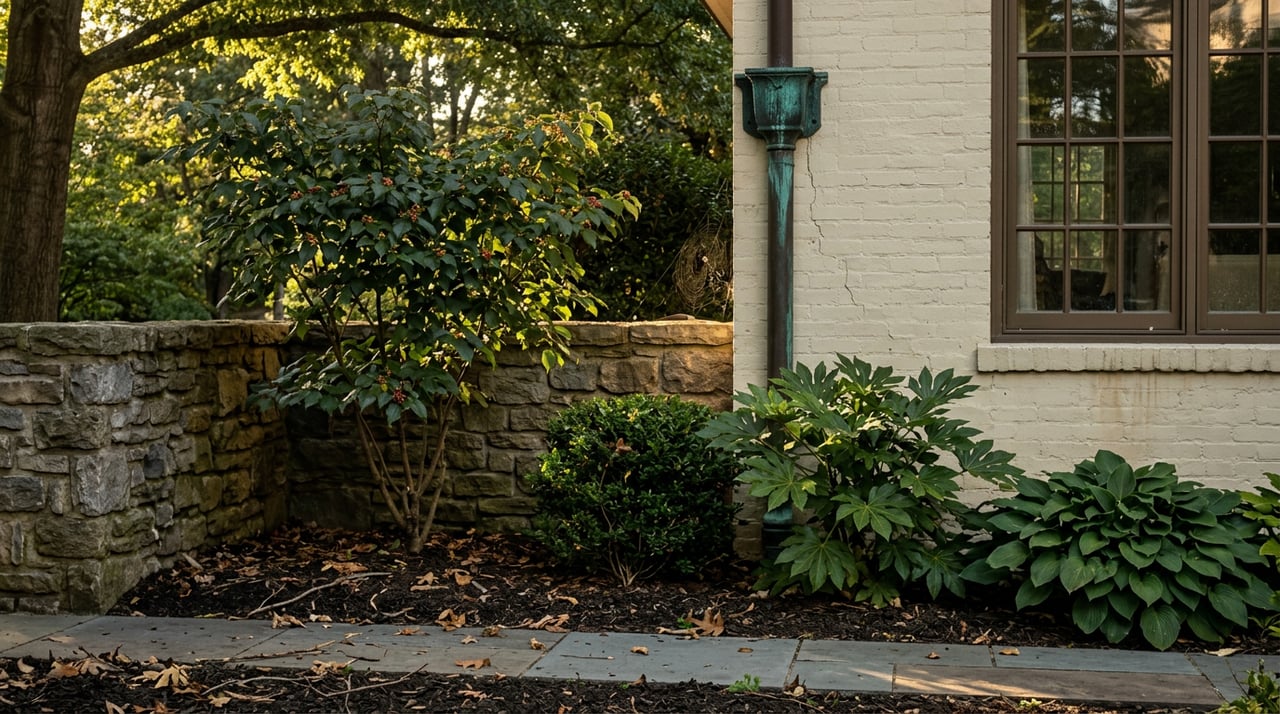
Virginia‑Highland is a National Register historic district with streets lined by early 20th‑century homes. You will see Craftsman bungalows, English‑vernacular cottages, American Foursquares, and Colonial Revival styles built roughly between 1910 and 1935. This architecture gives the area its signature character and strong curb appeal. For an overview of the historic district and its house types, review the Virginia‑Highland Historic District summary.
Condos and townhome options
While single‑family bungalows dominate, you will also find pre‑war condominium buildings and periodic infill townhomes. Historic properties such as The Colonnades contribute to the housing mix and offer options for buyers who prefer low‑maintenance living in a classic building.
Walkability and lifestyle drivers
Virginia‑Highland is known for walkable blocks, independent restaurants and boutiques, and quick access to Piedmont Park and the BeltLine. That convenience is a key demand driver. Explore a local overview of shops, dining, and neighborhood feel in this Virginia‑Highland neighborhood guide.
How competitive are offers
Short marketing windows and a near‑parity sale‑to‑list ratio signal a market where strong listings attract multiple offers. Updated bungalows and homes near retail nodes can be especially competitive. Buyers often win on a mix of clean pricing, strong pre‑approval, tight timelines, and contract certainty. Teardown and infill activity has also shaped the area over the past decade, with active neighborhood preservation discussions that influence scale and what can be built back. For context on the community’s evolution, see the Virginia‑Highland overview.
Inspection norms in VaHi
Older homes reward thorough inspections. Plan to schedule everything early in your due‑diligence window.
Core inspections
Most buyers order a general home inspection that covers structural elements and major systems, plus roof and HVAC checks. A wood‑destroying insect inspection is standard in Georgia, and many lenders and buyers expect an official wood infestation report from a licensed operator. You can review state guidance on reporting and licensing through the Georgia Department of Agriculture. Sewer or septic scopes are smart adds when applicable, and chimney or specialty tests are common when conditions suggest it.
Age‑related and environmental risks
- Electrical and plumbing: Some older homes may have outdated panels or materials that require updating. Have your inspector evaluate service size, panel type, and visible wiring.
- Foundation and drainage: Metro Atlanta’s clays can contribute to movement or settlement, which shows up as cracks, sticking doors, or sloping floors. If your inspector flags concerns, consider a structural engineer review and contractor estimates. For background on clay and foundation solutions, see this reference on helical piles and soil movement.
- Lead‑based paint: For homes built before 1978, federal law requires a lead disclosure and delivery of the EPA/HUD pamphlet, and buyers receive a 10‑day testing opportunity unless waived. Review the EPA lead‑based paint disclosure rule.
- Radon: Radon testing is a common add, especially for homes with basements or crawlspaces. Mitigation is usually straightforward if levels are high. See the EPA’s radon guidance in this federal resource.
Georgia contracts and contingencies
Buying in Georgia involves a few practices that may be new if you are coming from another state. Understanding the structure helps you plan a winning strategy.
Due diligence period and fee
In many Georgia transactions, buyers negotiate a due diligence period, often about 7 to 14 days. During this time you can inspect, obtain estimates, and decide whether to proceed. Sellers frequently request a due diligence fee payable to the seller at binding agreement, typically credited at closing. Earnest money is a separate escrow deposit. In competitive situations, sellers often prefer shorter due diligence windows and meaningful fees. The due diligence fee is usually nonrefundable once the period ends, so schedule inspections right away and be prepared with funds at contract.
Financing, appraisal, title, and HOAs
- Financing and appraisal: Financing contingencies are common, and the appraisal contingency often ties into lender requirements if a property appraises below contract price. In a premium neighborhood with older, unique homes, appraisal gaps can occur. Work with your lender on strategies such as appraisal gap coverage or a higher down payment if you plan an aggressive offer. A Georgia reference on contracts and contingency mechanics is outlined in the Red Book on Real Estate Contracts in Georgia.
- Title and survey: Review the title commitment early and order a survey if you are concerned about boundaries or potential encroachments. Older neighborhoods often have easements or long‑standing improvements near lot lines.
- Condos and HOAs: If you are purchasing a condo or a home with an HOA, expect a document review period for bylaws, budgets, and reserves. Georgia forms and condominium law provide a short rescission or review window in many condo transactions. Confirm the specific timelines in your contract. The Red Book offers helpful context on these provisions.
Seller disclosures in Georgia
Georgia is generally a buyer‑beware state. There is no universal state law that forces every seller to complete a single property condition disclosure form for all sales. Many sellers do provide voluntary disclosures, and sellers and agents remain liable for fraud or intentional concealment. Federal rules still apply to lead‑based paint for pre‑1978 housing. See Georgia contract guidance in the Red Book and the EPA’s lead requirements linked above.
What to do before you write an offer
Use this quick checklist to prepare for Virginia‑Highland’s pace and older‑home profile.
- Get fully underwritten pre‑approval through a responsive local lender. Have proof of funds ready for earnest money and any due diligence fee at binding agreement.
- Line up inspectors on day one. Book your general inspector and a licensed WDI inspector immediately. Georgia uses an official wood infestation reporting process managed by licensed operators. Learn more via the Georgia Department of Agriculture.
- Build a contractor bench. For older homes, have a roofer, HVAC pro, and foundation or structural specialist you can call for quick estimates if something is flagged.
- Plan for environmental checks. If a home predates 1978, review the EPA lead disclosure rules. Consider a radon test, especially with basements or crawlspaces, and review the EPA radon guidance.
- Add sewer scope and electrical focus. Vintage homes can have older drain lines or legacy electrical components. A sewer scope and panel evaluation help you budget accurately.
- For condos, request the full HOA packet early. Review reserves, budgets, bylaws, and any special assessment history within your contract timelines.
- If you plan exterior changes, verify rules first. Virginia‑Highland is a National Register historic district with active preservation interest. Review the historic district overview, check permit history, and confirm whether your plans will need review before you assume timing or cost.
Renovation, permits, and preservation
Historic character is a major part of VaHi’s appeal. That same character means exterior changes may be reviewed to maintain scale and streetscapes. Before you budget for additions or a second story, verify past permits and discuss design controls with the appropriate city departments. The neighborhood’s National Register status and preservation focus are summarized in this historic district profile.
What your budget buys
With a median near $854,000, many homes trade in the high six figures, and top‑tier renovated properties can reach into seven figures. Fully updated bungalows, larger footprints, and prime locations near retail nodes often command premiums. Smaller or unrenovated homes can present opportunities if you are comfortable with a project and its timeline. Your pricing strategy should reflect current comps, condition, and the seller’s preferred timing.
Final thoughts
Buying in Virginia‑Highland means balancing speed with diligence. The homes are beautiful, the lifestyle is walkable, and the market rewards buyers who prepare inspections, financing, and contract terms in advance. If you want to compete with confidence and make a smart long‑term decision, connect with a local advisor who lives and breathes these streets.
Ready to take the next step or tour homes in VaHi? Reach out to Ken Covers for neighborhood‑informed guidance and a plan tailored to your goals.
FAQs
How competitive is Virginia‑Highland right now?
- As of a January 2026 snapshot, the median days on market is about 21 days and sale‑to‑list averages near 99.9 percent. Expect faster timelines and offers that emphasize certainty. Always verify the latest figures before you write.
What inspections are most important for older VaHi homes?
- Start with a general inspection, a licensed termite or WDI inspection, and a foundation or crawlspace review. Add sewer scope, HVAC, and electrical as needed. For WDI protocols, see the Georgia Department of Agriculture, and for lead in pre‑1978 homes review the EPA lead rules.
How does Georgia’s due diligence work for buyers?
- Buyers typically negotiate a short due diligence period, often 7 to 14 days, with a due diligence fee paid to the seller and separate earnest money in escrow. You may inspect and terminate within that window per contract terms. For broader Georgia contract context, see the Red Book on Georgia contracts.
Do Georgia sellers have to complete a state disclosure form?
- Georgia is generally buyer‑beware, and there is no universal, mandatory property condition disclosure form for all sales. Many sellers still provide voluntary disclosures, and federal lead rules apply for pre‑1978 housing. See guidance in the Red Book.