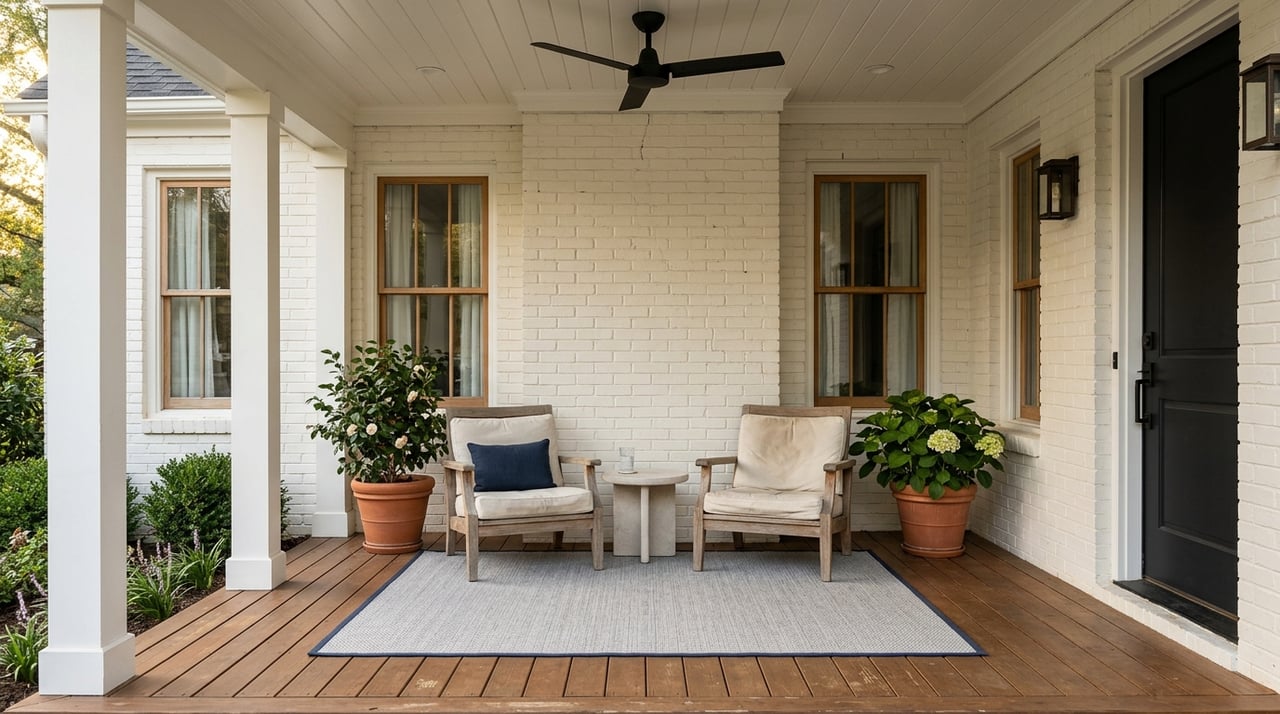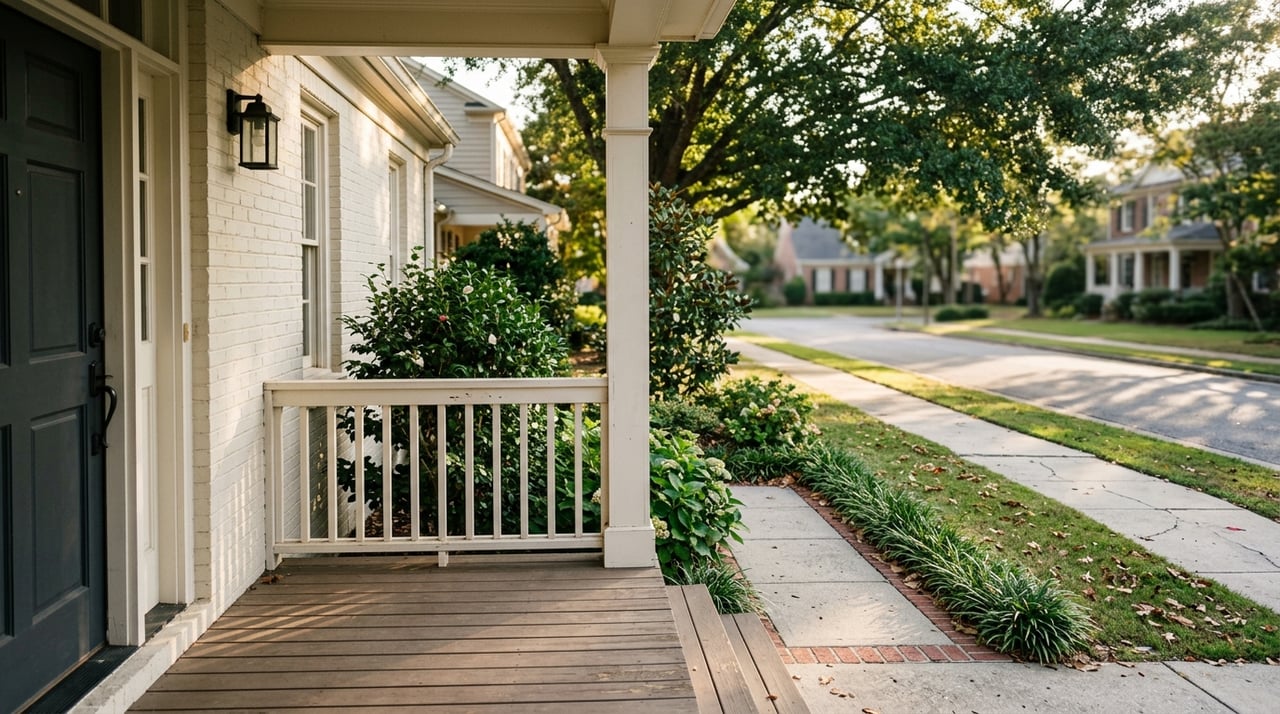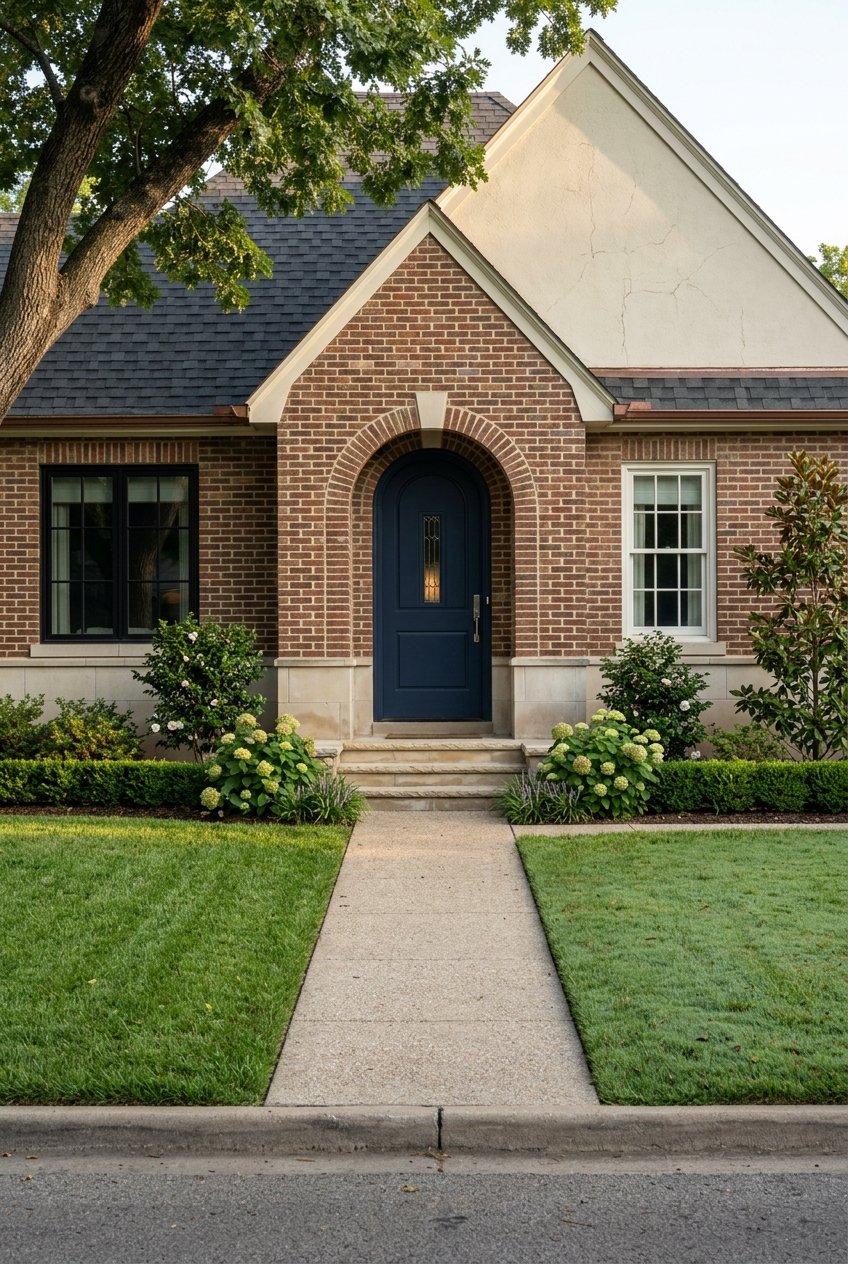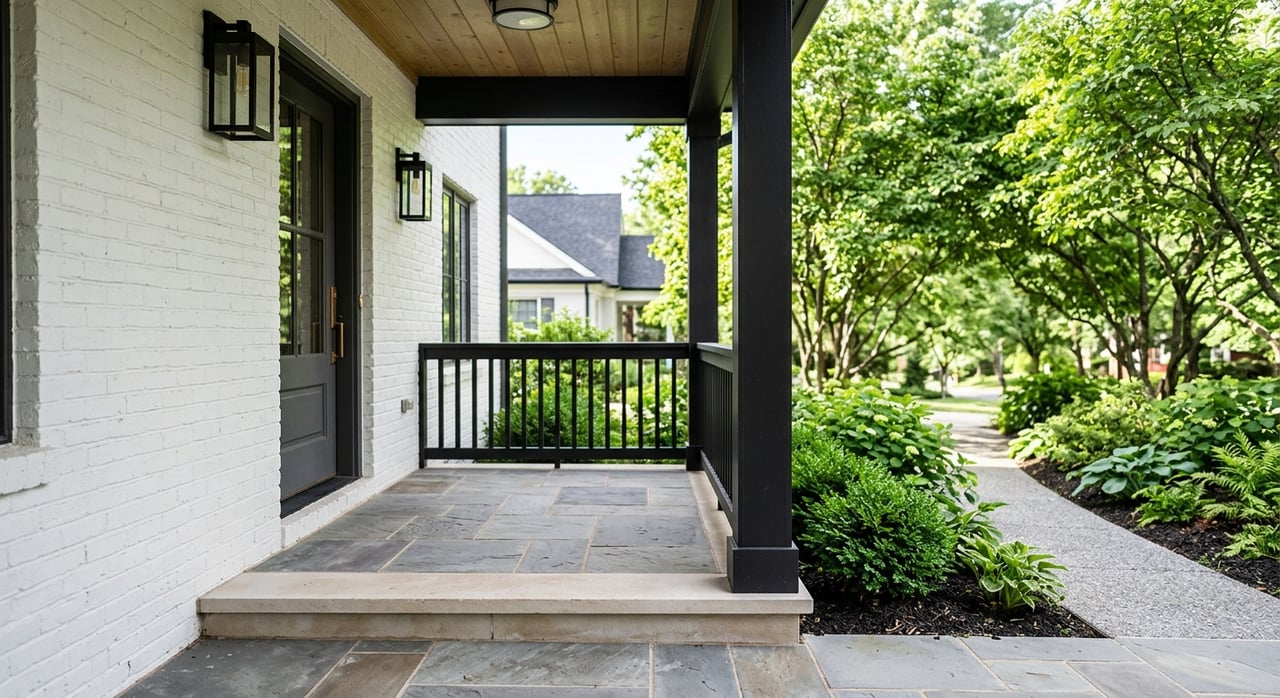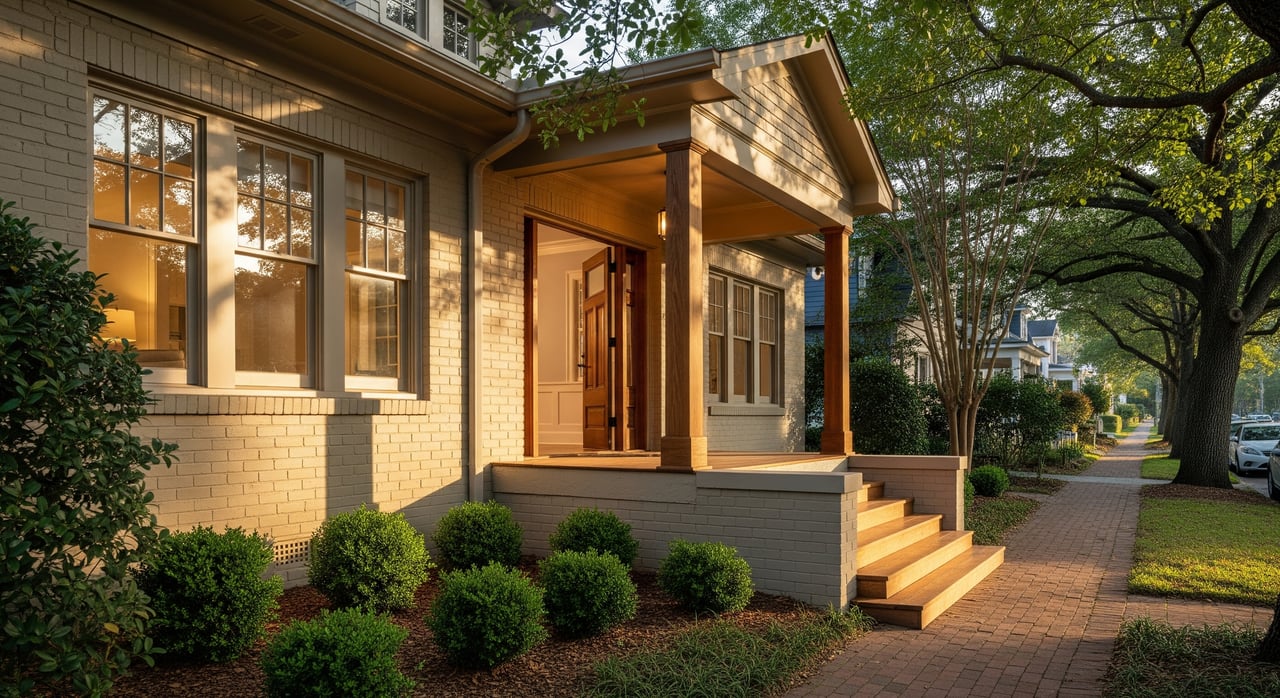
Wondering if a pre‑listing inspection is worth it in Morningside/Lenox Park? You are not alone. Selling a historic intown home can surface surprises at the worst time, and you want control, speed, and strong offers. In this guide, you will learn when pre‑inspecting makes sense, typical findings for older Atlanta homes, what it costs, and how to use the results to your advantage. Let’s dive in.
What a pre‑listing inspection is
A pre‑listing inspection is a general home inspection you order before your home hits the market. A certified inspector reviews major systems like roof, structure, plumbing, electrical, HVAC, insulation, ventilation, exterior, and interiors. You get a written report with photos and prioritized notes so you can choose repairs, price with confidence, and disclose clearly.
It is not exhaustive and may exclude certain specialties. For specific concerns, you can add targeted inspections such as termite, sewer scope, radon, or chimney. Think of your pre‑inspection as a planning tool that reduces unknowns and negotiation time.
When it makes sense in Morningside
Pre‑inspecting tends to be smart when:
- Your home is older, which is common in Morningside and Lenox Park, or has deferred maintenance.
- You suspect issues with the roof, water intrusion, foundation, electrical, plumbing, or HVAC.
- You want fewer surprises, faster closing, and less repair haggling once under contract.
- You are pricing at a premium where buyers expect top condition and thorough disclosure.
- You expect multiple offers and want transparency to inspire confidence.
It may be unnecessary or lower priority when:
- You recently renovated and have inspection or permitting documentation.
- The market strongly favors sellers and you are comfortable with buyer inspection contingencies.
- Likely issues are minor and cosmetic only.
Common findings in Morningside/Lenox Park
Many homes here were built in the early to mid‑20th century, often with beautiful updates layered over original systems. Inspectors commonly note:
- Roof and attic: shingle wear, aging flashing around chimneys, ventilation or insulation gaps.
- Electrical: ungrounded circuits, older service panels, and in rare cases older wiring types. Grounding issues at outlets are common.
- Plumbing: galvanized supply lines, corrosion, outdated water heaters, and localized leaks.
- HVAC: older furnaces or condensers and limited service records.
- Foundation and crawlspace: settlement cracks, drainage concerns, and moisture or mold in crawlspaces or basements.
- Drainage and grading: gutters and downspouts that drain near the foundation, plus site grading that funnels water toward the house.
- Chimney and masonry: mortar deterioration and flashing problems.
- Wood‑destroying organisms: termite activity is a known regional risk. Lenders or buyers often request treatment if active infestation is found.
- Sewer lines: buyers increasingly request a sewer scope in older intown areas due to tree root intrusion or blockages.
Historic exterior considerations
Some parts of Morningside are within protected historic areas. Exterior changes that are visible from the street, such as roofing materials, windows, and porches, may require review or approvals from local preservation authorities. Confirm what is needed before committing to exterior repairs or replacements so you avoid delays or rework.
What it costs and how long it takes
Typical metro Atlanta ranges vary by size and age of the home:
- General home inspection: about $300 to $700.
- Termite and wood‑destroying organisms inspection: about $75 to $200.
- Sewer scope: about $150 to $400.
- Specialty inspections, like chimney, HVAC diagnostics, or structural engineer: about $150 to $800 depending on scope.
A realistic timeline looks like this:
- Schedule inspection: 3 to 10 business days.
- Receive the report: 24 to 72 hours after inspection.
- Get contractor bids: 3 to 14 days depending on trade and scope.
- Pre‑listing prep cycle, from inspect to list: about 1 to 3 weeks for most sellers.
When choosing an inspector, look for licensing and insurance, strong local experience, and sample reports with clear photos. Confirm they will access the roof, attic, and crawlspace, and that their report prioritizes safety versus maintenance items.
Pros and cons for your sale
Here is how a pre‑inspection can shape your transaction:
- Fewer surprises. You identify issues early and can address major defects before buyers see them.
- Faster closing. Less negotiation over repairs can shorten timelines, and some buyers may waive certain contingencies.
- Negotiation control. Choose your contractors, fix items properly, and provide receipts. If you prefer not to repair, offer a clear credit based on written bids.
- Marketing advantage. Positioning as pre‑inspected signals transparency, which can attract buyers and support stronger offers.
- Better pricing decisions. Set your list price with a full view of condition and expected repair costs.
Keep in mind the tradeoffs:
- Upfront cost and time for inspections and any repairs.
- You may uncover issues that you should disclose, which can affect some buyers or offer prices.
- Buyers might still perform their own inspections and attempt to re‑negotiate.
- Some repairs, especially for historic exteriors or structural items, can be expensive and may require approvals.
In higher‑priced, historic neighborhoods like Morningside, buyers often expect updated systems and solid maintenance records. In many cases, the benefits of transparency outweigh the downsides.
How to use the report: fix, credit, or disclose
Start by sorting the findings into three buckets:
- Safety or code‑related items. Electrical hazards, gas leaks, or major structural problems should be addressed before listing when feasible.
- Material defects that affect value. Roof leaks, active termite issues, or major HVAC failures should be repaired or paired with contractor bids and a realistic credit.
- Cosmetic or maintenance items. Peeling paint, minor cracks, or aged finishes can be handled with targeted refreshes, staged around, or disclosed without full repair.
Use these practical rules:
- Focus on high‑ROI refreshes. Neutral interior paint, decluttering, minor landscaping, thorough cleaning, hardware updates, and better lighting improve first impressions.
- For larger items, get at least two written bids. You can present options to buyers and anchor a fair credit if you do not plan to repair.
- Credits versus repairs. Some buyers prefer a credit, others prefer completed work. A capped repair credit backed by bids and warranties builds confidence.
- Keep documentation. Save receipts, permits, warranties, and your inspection report. Include relevant items in your listing packet if you market as pre‑inspected.
For exterior elements in historic areas, confirm preservation requirements early so your repairs meet local standards and timelines.
Complementary inspections to consider
Depending on your home’s age and condition, you might add:
- Termite and WDO inspection, which is common in Georgia and sometimes required by lenders.
- Sewer scope, especially for older homes with large trees that can affect lines.
- Radon test, which is optional but inexpensive for peace of mind.
- Chimney inspection for masonry and fireplace safety.
- HVAC service or diagnostics to document current performance.
- Structural engineer review if you suspect major foundation issues.
Five‑step plan to prep and list
Align on strategy. Talk with your listing agent about market conditions, comps, buyer expectations, and whether pre‑inspection supports your pricing and timing.
Book inspections. Hire an experienced local general inspector and add termite, sewer scope, or other specialties as needed. Attend the inspection if possible so you can ask questions.
Prioritize the findings. Tackle safety and code items first, then material defects, then select cosmetic refreshes with strong return.
Decide on action. Choose to repair, offer a credit, adjust price, or disclose and list as‑is. Collect bids, confirm timelines, and gather receipts and warranties.
Package and market. Update disclosures, decide whether to share the report in MLS or on request, and highlight completed repairs or warranties in your remarks.
Real‑world scenarios
Older home with unknowns. Pre‑inspection reveals an aging roof and AC nearing replacement. You get bids, replace both before listing, and close faster with fewer repair negotiations.
Renovated and well‑maintained. You order a general and termite inspection with clean results. Marketing the home as pre‑inspected yields strong interest and multiple offers.
Budget‑conscious seller. You get a general inspection, disclose the report, and offer a credit anchored by contractor bids. The buyer still inspects but negotiations are limited and predictable.
Should you pre‑inspect? A quick decision guide
Ask yourself:
- Was your home built in the early to mid‑1900s, or do you suspect hidden issues? If yes, pre‑inspect.
- Are you pricing at a premium where buyers expect updated systems and great records? If yes, pre‑inspect.
- Do you want to reduce repair negotiations and keep timelines tight? If yes, pre‑inspect.
- Have you recently renovated with documentation, and is the market very seller‑friendly? If yes, you might skip or limit to termite and a quick general check.
The bottom line for Morningside sellers
A pre‑listing inspection is a strategic tool, especially for historic homes and premium listings in Morningside and Lenox Park. It helps you control the narrative, price with clarity, and move from contract to closing with fewer detours. The key is using the report wisely, focusing on high‑impact fixes, and planning ahead for any historic exterior requirements.
If you are weighing a pre‑inspection, talk through your goals and timing with a local expert who knows how buyers in this neighborhood think and what they expect. For a tailored plan that aligns condition, pricing, and presentation, connect with Ken Covers.
FAQs
What is a pre‑listing inspection for sellers?
- It is a general home inspection you order before listing that covers major systems, producing a photo‑rich report you can use to plan repairs, pricing, and disclosure.
How much does a pre‑listing inspection cost in Atlanta?
- Typical ranges are about $300 to $700 for a general inspection, with termite at about $75 to $200 and sewer scope at about $150 to $400.
Will buyers still do their own inspections if I pre‑inspect?
- Many buyers still order independent inspections, but your pre‑inspection narrows surprises, speeds decisions, and sets clear expectations.
Do I have to disclose inspection findings in Georgia?
- Georgia practice commonly uses seller disclosure forms, and you should disclose known material defects; a pre‑inspection clarifies what you know and how to address it.
What if my home is in a historic area of Morningside?
- Exterior changes visible from the street may require review or approvals, so confirm local preservation requirements before committing to repairs or replacements.