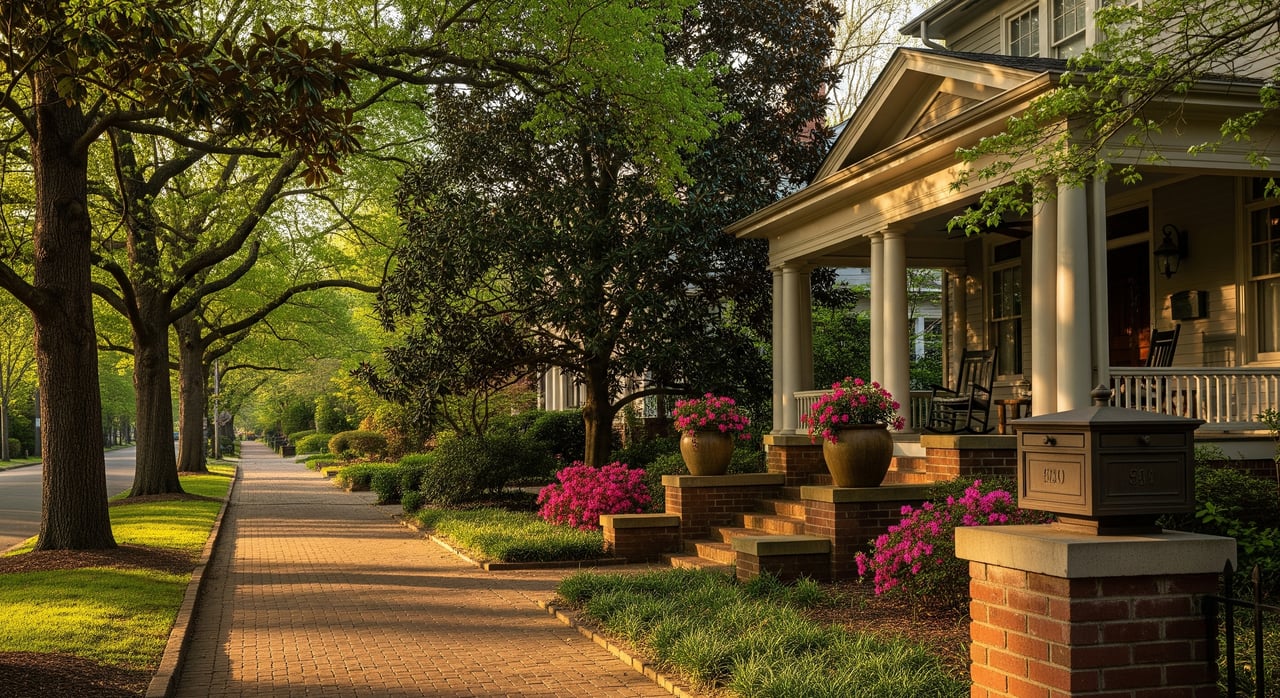
Thinking about moving to Morningside‑Lenox Park and wondering what daily life actually feels like? You want a neighborhood with charm, green space, and an easy routine for coffee runs, dog walks, and quick errands. This guide gives you a clear picture of parks, retail, housing character, and how people get around so you can settle in with confidence. Let’s dive in.
Get oriented to Morningside‑Lenox Park
Morningside‑Lenox Park, often called Morningside, sits in intown Atlanta in Fulton County, near Virginia‑Highland, Midtown, and Ansley Park. You’ll find mature trees, rolling hills, and leafy ravines framing the streets and homes. The area blends early 20th‑century single‑family houses with select infill and renovations, keeping the architectural character front and center. A strong neighborhood association presence supports local events, planning, and upkeep.
Parks and outdoor access
Outdoor time is part of the daily routine here. Sidewalks link residential streets to retail spots, and nearby parks make it easy to get fresh air before or after work.
Morningside Park and ravines
Morningside Park follows a creek ravine with hiking paths, stone steps, and wooded areas. It’s a go‑to for short hikes and dog walking when you want a quick nature break. The rugged terrain creates a peaceful, shaded setting that feels tucked away from city noise.
Nearby green connections
Freedom Park sits to the south and connects to other intown parks by trail, while Piedmont Park and larger greenspaces are a short drive away. Many residents also tap into regional trail systems by car or bike, since a major trail does not run directly through Morningside. Expect a mix of sidewalks and neighborhood streets for everyday strolls.
Practical tips for homeowners
Ravines and slopes shape lot lines, yards, and drainage. If you’re shopping for a home, factor in foundation and site considerations, especially on ravine edges. If you’re selling, proximity to trailheads and green corridors can be a strong highlight.
Daily conveniences and dining
Morningside’s commercial life centers on neighborhood streets rather than a single large shopping center. Think morning coffee, casual dining, boutique retail, and local services.
What you’ll find along retail streets
You’ll see a mix of independent cafés, bakeries, restaurants, and bars that serve regulars and nearby visitors. Small specialty shops and professional services round out the essentials. Larger grocery runs or big‑box items usually mean a short drive to nearby commercial nodes.
Walk it or drive it
You can walk for daily coffee, quick bites, and small errands. Many residents pair that with a weekly drive for full grocery runs and household supplies. The terrain can be hilly, so some routes feel easier than others.
Seasonal markets and events
Neighborhood groups often host markets, holiday events, and cleanups. These gatherings add energy to the local streetscape and help you plug into the community. Schedules change year to year, so keep an eye on neighborhood updates.
Housing and architecture
Morningside’s streets tell a story through their homes. Older architectural styles and thoughtful renovations create a distinctive, cohesive look.
What homes look like
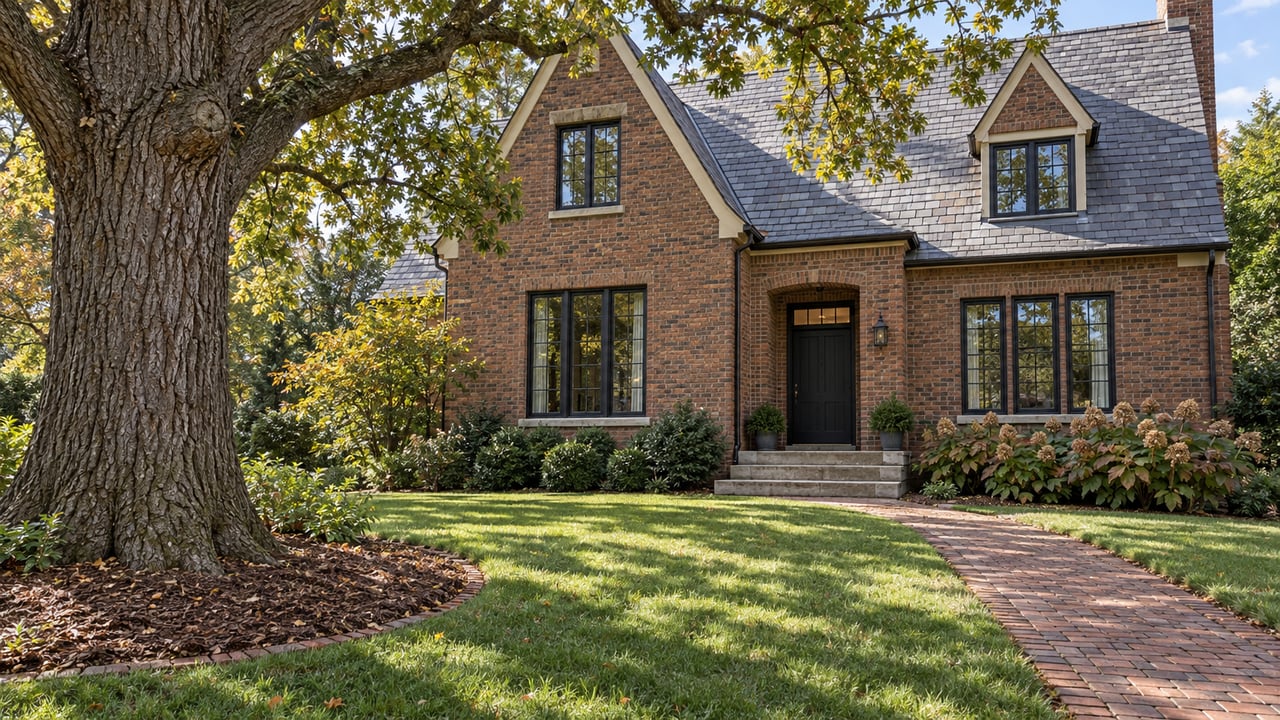
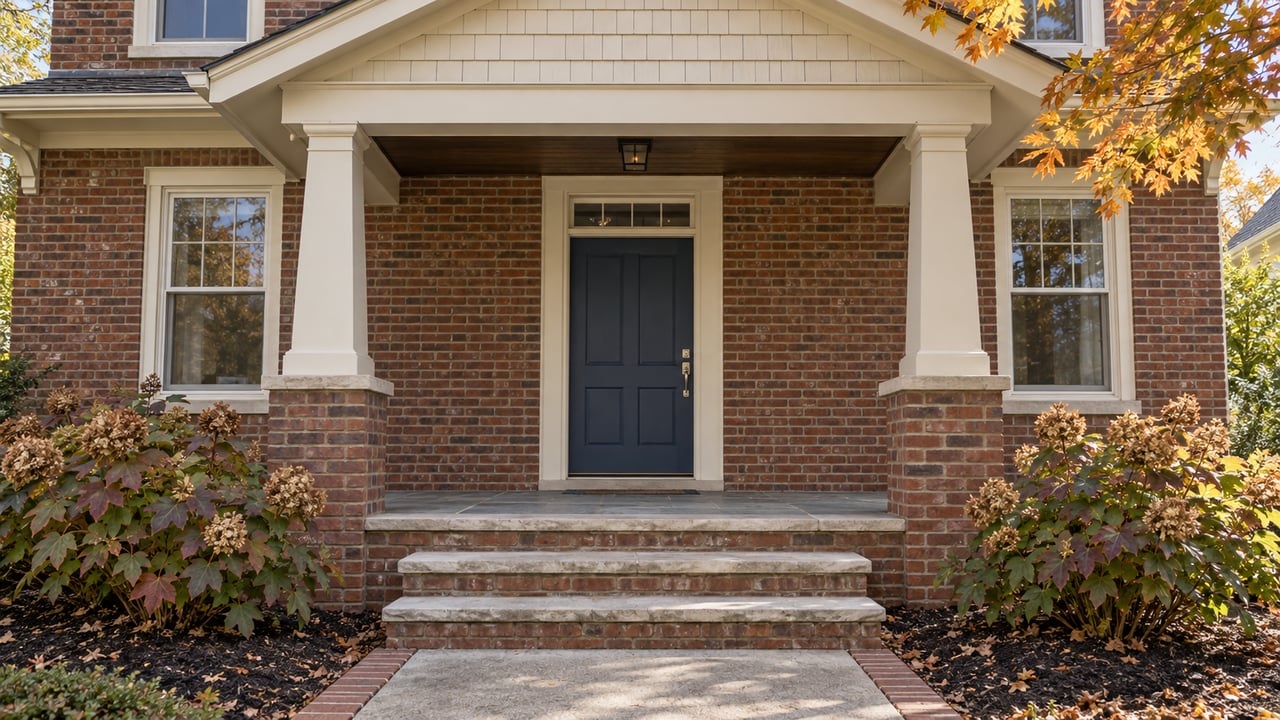
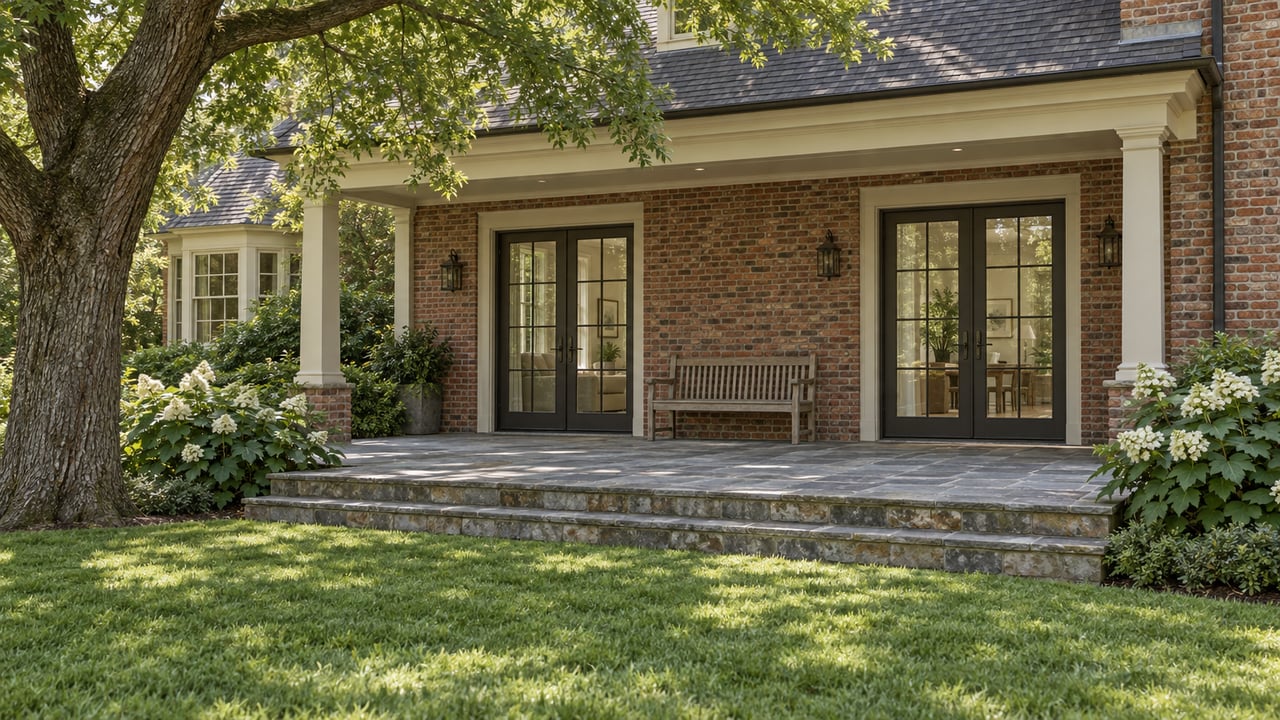
You’ll find early 20th‑century single‑family homes, including bungalow, Craftsman, Tudor Revival, and Colonial Revival styles. Some duplexes and small multifamily buildings appear along main corridors. Infill construction exists but is selective, often adding contemporary takes on classic forms.
Renovation and preservation
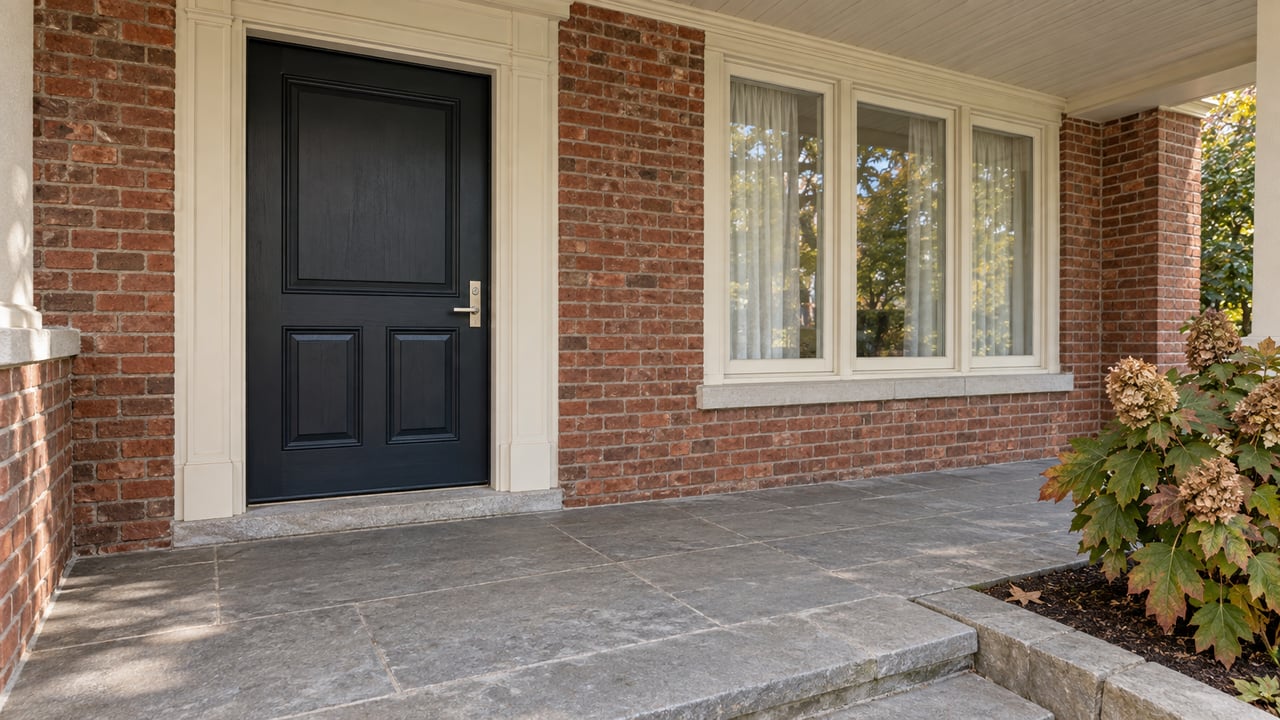
Period details like wood floors, built‑ins, and original trim are common. Many homes have seen updates to systems, kitchens, and baths. Where local historic guidelines apply, exterior changes may require review, so confirm whether a property sits in a designated district and what approvals it needs.
Touring and selling pointers
- For buyers: check lot topography, drainage patterns, and basements, especially near ravines. Ask about mechanical systems and insulation.
- For sellers: highlight preserved period details, walkability to retail, and proximity to parks. Thoughtful presentation helps buyers see value.
Getting around
Living here puts you close to key intown job centers, with flexible options for weekday travel.
Driving and commute expectations
Driving is the most common way to get to work, with short to moderate travel times to Midtown and Buckhead depending on traffic. Local arterials connect you to larger highways and business districts. Parking varies by block, with a mix of driveways, garages, and street parking.
MARTA and bus options
There isn’t a heavy‑rail station inside the neighborhood. Many residents drive to nearby stations or use bus connections for rail access. Bus service runs through intown routes, though frequency and directness vary by line.
Walking and biking notes
Sidewalks support short trips to parks and retail, and cyclists often use neighborhood streets. Hills add a bit of a workout, and bike lane coverage can be spotty, especially across neighborhood boundaries.
Community life, schools, and services
Community is an active part of the Morningside experience. You’ll see neighbors out on the sidewalks and at local events.
Neighborhood association
The Morningside/Lenox Park Association helps organize meetings, seasonal events, and local advocacy. Volunteer cleanups and park maintenance days are common ways to get involved quickly.
Schools and education
The neighborhood is served by Atlanta Public Schools. Attendance zones can change, so confirm the current zoning and enrollment steps for a specific address. Several private and charter options operate across the broader intown area, with access depending on location and admissions.
Healthcare and daily services
Primary care, dental, and urgent care options are a short drive away in nearby commercial corridors. For specialty care, larger hospital campuses in Midtown and Buckhead are within a reasonable drive.
New resident quick‑start checklist
- Walk Morningside Park’s ravine trails and note the closest trailheads to your home.
- Map your everyday routes to neighborhood cafés, restaurants, and services.
- Plan a weekly grocery run to nearby commercial nodes for larger shopping.
- If buying, review site drainage and foundation conditions on sloped lots.
- If renovating, confirm any historic review requirements before you start.
- If using transit, identify your preferred MARTA rail station or bus route.
- Verify school attendance zones for your exact address with the district.
Settling into Morningside‑Lenox Park is about balance: leafy streets, everyday walkability, and quick access to intown job centers. If you’re planning a move, considering a renovation, or thinking ahead to a future sale, align your next steps with local insight. When you are ready to talk strategy for buying or selling in Morningside, reach out to Ken Covers for a neighborhood‑informed plan.
FAQs
What is daily life like in Morningside‑Lenox Park?
- Many residents walk to neighborhood cafés and services, use nearby parks for quick outdoor time, and drive to larger shopping areas for weekly errands.
How walkable is Morningside for errands and dining?
- You can walk to local cafés, restaurants, and small shops along retail streets, while most residents drive for larger grocery and big‑box purchases.
How do most people commute from Morningside?
- Driving is most common for trips to Midtown and Buckhead, with some residents using bus connections or driving to nearby MARTA rail stations.
What should buyers look for in older homes here?
- Check lot slope and drainage near ravines, review foundation and mechanical systems, and confirm any historic‑district review requirements for exterior changes.
Are there historic or renovation rules in the neighborhood?
- In areas with local historic guidelines, exterior changes may require review, so verify a property’s status and approvals before starting a project.